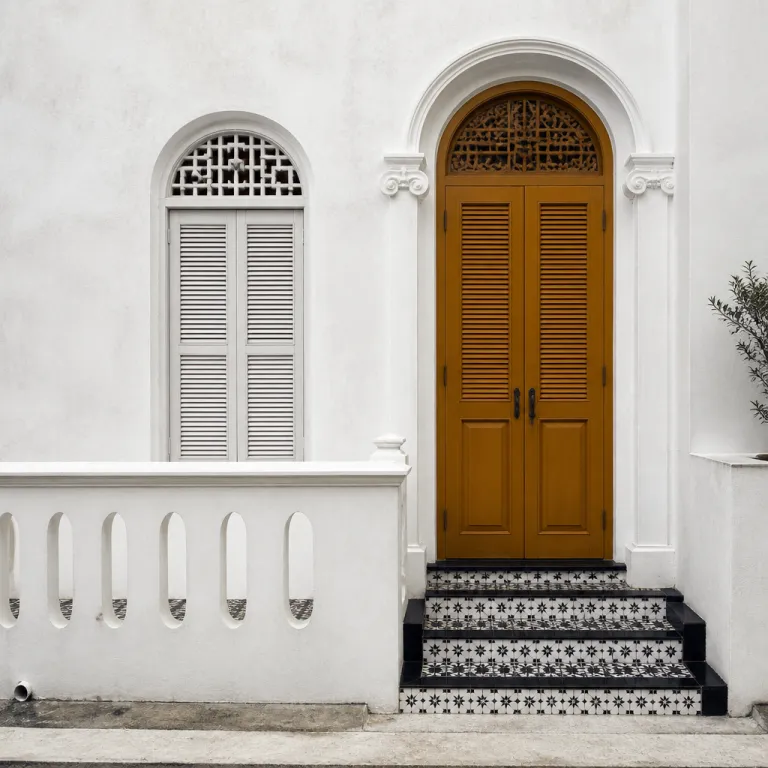
Why phuket hotel architecture with sino-portuguese design now defines luxury
Phuket hotel architecture with Sino-Portuguese design has quietly become a marker of serious taste. In a region once dominated by anonymous resort blocks, the most interesting luxury addresses now lean into Portuguese-influenced façades, traditional Chinese spatial logic and the layered cultural heritage of the Andaman trade routes. For couples choosing where to stay, the façade, the courtyard and the way light moves through open spaces matter almost as much as the infinity pool.
Walk through Phuket Town and you feel how this shift began. Rows of well-preserved shophouses, many built by Chinese immigrants enriched by tin mining, show how Asian and European architectural elements fused into something distinctly local. These narrow buildings with five-foot walkways, ornate plaster motifs and a shaded ground floor for commercial spaces created an architecture sino vocabulary that today’s hotels quote, reinterpret and sometimes misuse.
Heritage organizations now count roughly 150 historic buildings in Phuket Old Town, a density that gives hotel developers an unusually rich palette. According to the Phuket City Municipality’s conservation guidelines, local government and private partners have pushed restoration rather than demolition, encouraging new structures that respect traditional proportions and auspicious symbols while still feeling contemporary. The result is a wave of properties where phuket hotel architecture with sino-portuguese design is not a theme, but the core architectural style and a clear reason to book.
For design-conscious travelers, this means a different way of reading a room key. You are no longer just choosing between beach or hill, but between Peranakan-inspired tiles, fusion Chinese timber screens or a more industrial take on the island’s tin mining past. Our dedicated guide to architectural masterpieces in Phuket’s luxury hotel scene maps these choices with the same care you might apply to a wine list.
From phuket town shophouses to heritage suites
The architectural story starts in Phuket Town, where sino portuguese shophouses line Thalang Road, Dibuk Road and Soi Romanee in a tight, atmospheric grid. These structures were commissioned by Hokkien merchants whose wealth came from tin mining and whose families brought traditional Chinese building knowledge to a tropical port shaped by Portuguese influences. The result was a fusion of Chinese and European ideas that produced deep, narrow buildings with internal courtyards, louvred windows and ornate stucco elements.
These shophouses were always hybrid spaces, with a shaded ground floor for commercial spaces and family rooms stacked above. Their architecture balanced practical needs for ventilation and security with cultural requirements, from auspicious symbols on the façade to Peranakan color palettes inside. When you stay in a hotel conversion today, you are inhabiting that same architectural style, only now the open spaces might hold a plunge pool instead of a shrine.
One of the most emblematic conversions is The Memory at On On Hotel, often cited as Phuket’s oldest hotel and a touchstone for architecture sino enthusiasts. Its corridors still include shophouses proportions, with Chinese-Portuguese arches, timber staircases and well-preserved tiled floors that speak directly to the island’s trade era. When you walk from lobby to suite, you move through a sequence of structures that feel more like a lived-in townhouse than a standardized resort block.
To understand this lineage before you book, it is worth exploring Phuket Town on foot with a map in hand. Our in-depth walk through of Sino-Portuguese shophouses and their stories helps you read the façades, from Chinese immigrants’ family crests to Portuguese buildings with neoclassical pilasters. Once you see how these architectural elements work in the street, you will recognize them instantly when a hotel lobby or suite quietly borrows the same motifs.
Adaptive reuse: when heritage buildings become serious hotels
Adaptive reuse is where phuket hotel architecture with sino-portuguese design becomes most intimate, because you are sleeping inside the original fabric. Restored shophouses in Phuket Town now host small-scale luxury properties that respect traditional layouts while inserting contemporary comfort with care. The best examples keep the ground floor as a social heart, with open spaces that echo former commercial uses but now serve as lounges, cafés or quiet reading rooms.
Developers working with heritage architects tend to follow a few clear principles. First, they preserve structural elements such as load-bearing walls, timber beams and tiled roofs, because these define the architectural style and keep the buildings legible as part of a wider cultural heritage zone. Second, they treat decorative motifs, from floral stucco to Peranakan tiles, as non-negotiable assets rather than optional extras, often restoring them by hand to maintain the ornate character that makes sino portuguese streetscapes so photogenic.
For travelers, the payoff is a kind of luxury that feels rooted rather than generic. A suite carved from two adjoining shophouses might feature a long, linear plan, with a bedroom opening onto a tiny courtyard where traditional Chinese screens filter the light. In the best conversions, fusion Chinese design appears in details such as carved timber doors or auspicious symbols in brass, while bathrooms and climate systems quietly meet modern expectations without shouting.
There is also a preservation dividend. Every time a heritage building becomes a viable hotel, it gains an economic reason to stay standing, which matters in a town where land values rise quickly. As one local explainer from the Phuket City Development (PKCD) team puts it, “What is Sino-Portuguese architecture?” and “Where can I see Sino-Portuguese architecture in Phuket?” sit alongside “Are there hotels in Phuket with Sino-Portuguese designs?” in the same conversation about sustainable tourism. That trio of questions captures how architecture, hospitality and long-term stewardship now intersect on these streets.
New builds that speak the language of sino-portuguese architecture
Not every memorable stay happens inside century-old walls, and some of the most interesting phuket hotel architecture with sino-portuguese design comes from new builds. Architects now borrow the grammar of Portuguese architecture and traditional Chinese planning, then remix it for coastal sites from Kamala to Nai Yang. The goal is not pastiche, but a contemporary fusion that respects cultural references while embracing tropical light, sea views and resort-scale amenities.
Navera Phuket is a useful case study, with yacht-inspired interiors that still nod to Phuket Town’s shophouses through arches, color blocking and patterned tiles. Public areas include shophouses like colonnades that recall five-foot walkways, while open spaces between structures create breezeways rather than enclosed corridors. You will notice Chinese-Portuguese curves in balcony railings, Peranakan motifs in floor tiles and a careful layering of Asian and European elements that keeps the architecture sino narrative coherent without feeling themed.
On Nai Yang Beach, The Slate takes a different route by mining the island’s industrial past. Here, the design language leans into tin mining heritage, with steel beams, riveted details and bold, almost theatrical structures that frame pools and gardens. Yet even in this industrial aesthetic, you can trace Portuguese influences in the rhythm of façades, the way ground floor spaces open to courtyards and the use of color to highlight auspicious symbols drawn from local lore.
Further north in Khao Lak, Casa de la Flora pushed the region’s architectural style into minimalist territory with its stark white cubes facing the sea. At first glance, these buildings seem far from Phuket Town’s ornate streets, but the lineage is still there in the courtyard logic, the careful control of light and the sequence from public to private spaces. For couples, these properties show how phuket hotel architecture with sino-portuguese design can evolve into something quietly radical while still acknowledging the cultural heritage that underpins the region.
Design led districts, instagram culture and how to choose your stay
As more properties embrace architecture sino narratives, the Phuket region is quietly organizing itself into design-led districts. Phuket Town anchors the heritage core, with well-preserved shophouses and adaptive reuse hotels that appeal to travelers who want culture first and beach second. Along the west coast, places like Kamala, Surin and Nai Yang host new structures that translate sino portuguese influences into resort-scale forms, from colonnaded arrival courts to suites that feel like contemporary shophouses stretched toward the sea.
MontAzure Phuket – MGallery at Kamala adds another layer, sitting within a planned lifestyle community where architecture, landscaping and amenities are conceived as one. Here, you will see Portuguese buildings reimagined as low-rise blocks with deep balconies, shaded ground floor lounges and open spaces that blur the line between commercial spaces and residential-style comfort. For couples, this means you can move from a Peranakan-accented lobby to a minimalist suite without losing the thread of a single, coherent architectural story.
Social media has accelerated this shift, because guests now choose hotels partly for how their structures photograph. An ornate façade with Chinese-Portuguese arches, a courtyard framed by fusion Chinese timber screens or a row of shophouses inspired pool villas can become as shareable as a sunset over Phang Nga Bay. The risk, of course, is that some developments treat motifs and elements as surface decoration only, ignoring the deeper cultural and climatic logic that made these buildings work in the first place.
The most rewarding stays come when aesthetics and experience align. Look for properties that reference tin mining history with more than a lobby sculpture, or that use traditional Chinese courtyard planning to create natural ventilation rather than relying solely on air conditioning. If you care about what is on the plate as much as what is in the floor tiles, pair your hotel choice with our guide to Phuket’s new wave of southern Thai fine dining, where chefs are as serious about cultural influences as the architects who design their dining rooms.
Reading the details: practical tips for architecture minded couples
Choosing a stay through the lens of phuket hotel architecture with sino-portuguese design means paying attention to details that booking engines rarely highlight. Start with the façade and ask whether the proportions, windows and ground floor treatment echo the logic of Phuket Town’s shophouses or simply paste on a few arches. True architectural integrity shows in how structures handle shade, airflow and privacy, not just in how ornate the plasterwork appears in photographs.
Inside, look for a coherent narrative that links public and private spaces. A lobby with Peranakan tiles, Chinese immigrants’ family motifs and Portuguese influences in its cornices should lead naturally to corridors and suites that continue the same language, rather than switching abruptly to generic international décor. When architecture, interiors and landscape design align, you feel a calm continuity from check-in to bedroom, which is one of the quiet luxuries couples notice most after a few days on site.
Location still matters, but in a more nuanced way. Staying in Phuket Town places you within walking distance of Thalang Road, side streets lined with well-preserved buildings and a dense concentration of cultural heritage sites. On the coast, properties that include shophouses inspired forms or fusion Chinese courtyards often create more human-scale environments than high-rise towers, giving you intimate open spaces where you can hear the sea and the evening market in the same breath.
Finally, consider how your booking supports the wider story of architecture sino preservation and innovation. Hotels that invest in restoring Portuguese buildings, training local craftspeople and interpreting auspicious symbols with respect help keep this living tradition vibrant for the next generation of travelers. When you choose such a property, you are not only securing a memorable suite, but also taking a quiet position in favor of thoughtful, culturally literate development across the Phuket region.
FAQ
What is Sino-Portuguese architecture in Phuket?
Sino-Portuguese architecture in Phuket is a fusion of Chinese and European building traditions that emerged during the island’s tin mining boom. It combines narrow shophouses, internal courtyards and traditional Chinese planning with Portuguese influences such as stucco ornament, arches and neoclassical details. This architectural style is most visible in Phuket Old Town, where many buildings are now protected as part of the city’s cultural heritage.
Where can I see the best examples of Sino-Portuguese buildings?
The highest concentration of well-preserved structures is in Phuket Town, especially along Thalang Road, Dibuk Road and Soi Romanee. Here, rows of shophouses display ornate façades, Peranakan tiles and auspicious symbols that reflect the island’s Asian and European trade history. Several heritage hotels and cafés occupy these buildings, allowing visitors to experience the architecture from the inside as well as from the street.
Are there luxury hotels in Phuket that use Sino-Portuguese design?
Yes, several luxury and premium properties in the Phuket region draw directly from Sino-Portuguese design. Some, like The Memory at On On Hotel, occupy restored shophouses in Phuket Town, while others, such as Navera Phuket or MontAzure Phuket – MGallery, are new builds that reinterpret the vocabulary of arches, courtyards and colonnades. These hotels appeal to travelers who value architecture and cultural context as much as beach access and amenities.
How does staying in Phuket Old Town compare to staying on the beach?
Staying in Phuket Old Town immerses you in the island’s architectural and cultural heritage, with easy access to markets, temples and Sino-Portuguese streetscapes. Beach resorts, by contrast, prioritize sea views, pools and direct access to sand, often using architecture sino motifs in a more resort-oriented way. Many couples choose to split their stay, spending a few nights in town for culture and a few nights on the coast for relaxation.
Is Phuket Old Town really working toward UNESCO recognition?
Phuket Old Town has been discussed in the context of UNESCO’s Tentative List, reflecting its dense concentration of Sino-Portuguese buildings and layered trade history. This status encourages preservation efforts, careful guidelines for new structures and thoughtful adaptive reuse of heritage properties as hotels or cultural venues. For travelers, it means the area is likely to retain its character, making architecture focused stays an increasingly rewarding choice over time.