Southern Thai flavor: understanding Phuket’s bold food identity
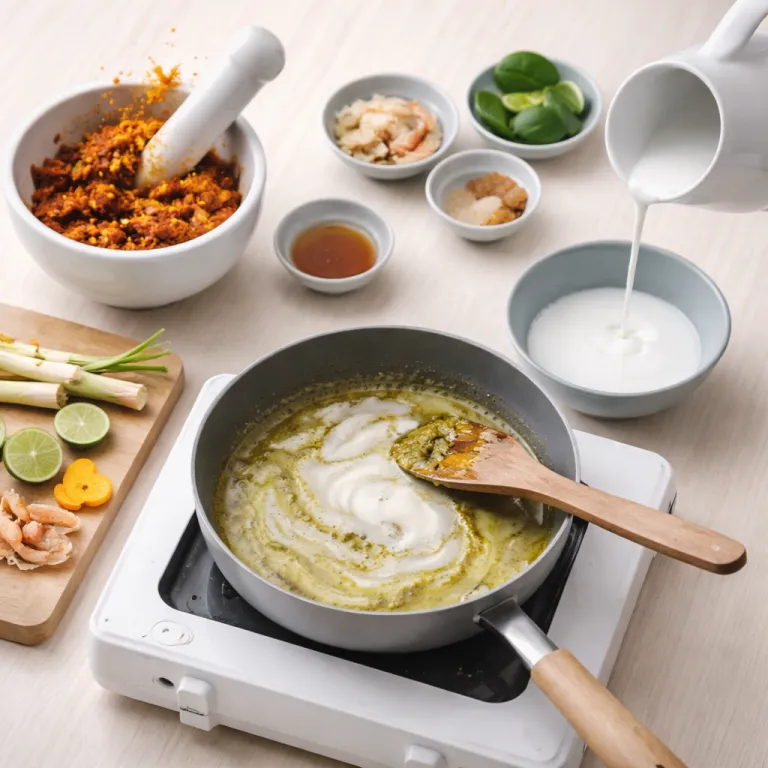
Phuket is where southern Thailand’s most assertive flavors meet the Andaman Sea. The food here leans hotter than classic Thai food in Bangkok, with turmeric, lemongrass and shrimp paste driving deeply aromatic southern Thai dishes. Expect heat that lingers, but also balance from coconut milk, fresh herbs and lime.
Local cooks treat every curry as a statement piece, whether it is a thin, fire-bright gaeng som with fish or a slow-simmered coconut milk curry layered with seafood. These southern dishes rarely taste sweet; instead, they tilt toward sour, salty and smoky, which makes them ideal after a long day on the beach. When you eat in serious Phuket restaurants, you taste a food culture shaped by monsoon seas, Muslim traders and Thai Chinese families.
Signature Phuket cuisine includes mee Hokkien noodles, oh tao oyster omelet and moo hong, a braised pork dish that whispers of Fujian roots. You will also find kanom jeen, cool rice noodles served with multiple curry gravies, on almost every corner in Phuket Town and in quieter stretches of greater Phuket. These are not tourist inventions; they are the everyday Thai dishes that define food in Phuket for locals, and they are increasingly shaping menus at restaurants that cater to luxury travelers.
From market stalls to Michelin plates: where luxury travelers should eat
The most rewarding way to approach Phuket’s southern Thai food scene is to start at the markets, then follow those flavors into refined dining rooms. Banzaan Fresh Market near Patong Beach and the morning market in Phuket Town are where you see the raw ingredients that later appear in polished southern Thai dishes. Watch vendors stir-fry noodles in smoking woks, press fresh coconut milk and plate kanom jeen with a choice of gaeng and pickles.
Lock Tien, a decades-old open-air food court on Dibuk Road in Phuket Town, remains a benchmark for mee Hokkien noodles, dim sum–style snacks and the oyster-rich oh tao dish. Here you eat shoulder to shoulder with residents, tasting the same gaeng som and fried rice that inspire chefs in the island’s more theatrical dining rooms. This is where the line between humble food stall and future “best restaurant” contender starts to blur.
At the high end, PRU at Trisara and Jampa in Cherngtalay translate this market energy into tasting menus that respect Phuket cuisine rather than dilute it. PRU’s community-to-fork philosophy, highlighted in the Michelin Guide Phuket coverage of Phuket’s Michelin-starred and Bib Gourmand restaurants, means vegetables, herbs and rice are sourced from small farms across southern Thailand. When you sit down to a course built around local fish, turmeric-rich curry and wild greens, you are tasting the same food culture you saw at dawn in Phuket Town, simply edited for a quieter, more luxurious room.
Hidden gems in Phuket Town: where locals actually eat
Phuket Town is the island’s most rewarding neighborhood for anyone serious about southern Thai cuisine. Away from the beach, streets of Sino-Portuguese shophouses hide family-run restaurants where the focus is still on food, not sunset views. Walking the old streets with the help of a guide to Phuket Town’s shophouses and stories gives you context before you sit down to eat.
Ton Mayom Restaurant, in a quiet lane of Phuket Town, serves some of the most direct expressions of southern Thai food on the island. The menu leans into gaeng som, stir-fried stink beans with prawns, and a repertoire of curry dishes that pull no punches with heat. This is where you find moo hong that tastes like it has been simmering all afternoon, and fried fish that arrives with a riot of herbs rather than a heavy sauce.
Nearby, Chom Chan and Naam Yoi Restaurant both specialise in Phuket cuisine that respects tradition while staying accessible to visitors. Chom Chan’s take on classic Thai dishes such as gaeng som and coconut milk–based curries shows why it has attracted attention from serious restaurant guides. Naam Yoi, still very much a local restaurant, is the kind of place where families share platters of rice, noodles and dim sum–style bites, proving that Phuket’s southern Thai dining rooms can feel both unpretentious and quietly refined.
Street breakfasts, Muslim influences and the Thai Chinese bridge
Morning is when Phuket’s layered food culture feels most alive. In Phuket Town and around the old port, you will find dim sum steamers stacked high, roti griddles hissing and kanom jeen stalls already ladling curry over rice noodles. These breakfasts show how Thai Chinese and Muslim influences have shaped both individual dish traditions and the broader rhythm of daily eating.
Dim sum in Phuket is not a copy of Hong Kong; it is a local adaptation, often eaten with strong coffee before work or a day at the beach. Small restaurants specialise in trays of steamed dumplings, buns and fried snacks, which pair naturally with southern Thai dishes later in the day. Side by side with these, Muslim vendors serve roti with curry, khao mok gai biryani and grilled meats that speak to the Malay borderlands of southern Thailand.
This Muslim influence also appears at night in halal seafood restaurants along the Rawai and Cape Panwa coasts. Here you eat grilled fish, stir-fried squid and rice while the bay fills with the lights of squid boats, a scene that feels far removed from the main beach strips. In these settings, Phuket’s southern Thai restaurants become a bridge between cultures, where Thai cuisine, Thai Chinese heritage and Islamic traditions share the same tables.
Designing a luxury stay around Phuket cuisine
For couples booking premium hotels, the smartest itineraries now start with food rather than with the infinity pool. Choose a property within easy reach of Phuket Town if you want nightly access to serious southern Thai food, then use the day for beach time and boat trips. A villa on the west coast paired with a driver into Phuket Town for dinner at Ton Mayom Restaurant or Chom Chan can feel more indulgent than staying beside a single on-site restaurant.
Many high-end resorts now curate guided market visits and cooking classes that focus specifically on southern Thai techniques. At schools such as Blue Elephant Phuket and Phuket Thai Cookery School, you learn to balance a gaeng som, build a coconut milk curry from scratch and stir-fry noodles over high heat, then sit down to eat your own Thai dishes with a glass of wine. These experiences turn abstract Thai cuisine into something tactile, and they help you read menus in Phuket restaurants with far more confidence.
When planning a wider Andaman itinerary, consider pairing Phuket with a quieter island known for thoughtful hospitality. Our guide to choosing the best hotel in Ko Lanta for a refined escape shows how easily you can combine serious food experiences in Phuket with slower days elsewhere. Across the region, questions such as “What is Southern Thai cuisine?” and “Are these restaurants family-friendly?” and “Do these restaurants accept credit cards?” remain practical truths, especially as many southern Thai restaurants in Phuket now work closely with local farmers and seafood suppliers to keep traditional recipes alive.
FAQ about southern Thai food and local restaurants in Phuket
What makes southern Thai food in Phuket different from Bangkok cuisine ?
Southern Thai food in Phuket is typically hotter, more pungent and less sweet than central Thai cooking. Curries often use turmeric, shrimp paste and fresh herbs, with coconut milk used more sparingly in dishes such as gaeng som. The result is a sharper, sea-focused flavor profile that pairs naturally with grilled seafood and rice.
Where should luxury travelers go for authentic local restaurants in Phuket Town ?
For an authentic yet comfortable experience, focus on Phuket Town institutions such as Ton Mayom Restaurant, Chom Chan and Naam Yoi Restaurant. These places specialise in Phuket cuisine, including moo hong, mee Hokkien noodles and various curry dishes that locals actually order. Booking a car from your hotel makes it easy to enjoy dinner there and return to your resort afterward.
Are southern Thai restaurants in Phuket family friendly and suitable for couples ?
Most southern Thai restaurants in Phuket are informal, family-run spaces that welcome both children and couples. Couples often appreciate the relaxed atmosphere, shared plates and the chance to try multiple Thai dishes together. Families benefit from the ability to adjust spice levels and order milder options such as fried rice or coconut milk curries.
Do local restaurants in Phuket accept credit cards or should I carry cash ?
Many sit-down restaurants in Phuket Town and the main beach areas accept credit cards, especially those that appear in guidebooks or hotel recommendations. Smaller stalls, dim sum shops and kanom jeen vendors may still prefer cash for speed and simplicity. Carrying a mix of cash and cards ensures you can eat comfortably across markets, casual restaurants and higher-end dining rooms.
How can I combine market visits, cooking classes and fine dining during a short stay ?
A practical approach is to visit a morning market such as Banzaan or the Phuket Town market on your first full day, then book an afternoon or next-day cooking class focused on southern Thai cuisine. Use evenings for relaxed meals at local restaurants in Phuket Town, and reserve one night for a tasting menu at a place like PRU or Jampa. This rhythm lets you see ingredients at source, learn techniques and then experience how top chefs interpret the same food culture at the highest level.
Sources
Tourism Authority of Thailand; Michelin Guide Thailand; Phuket 101.