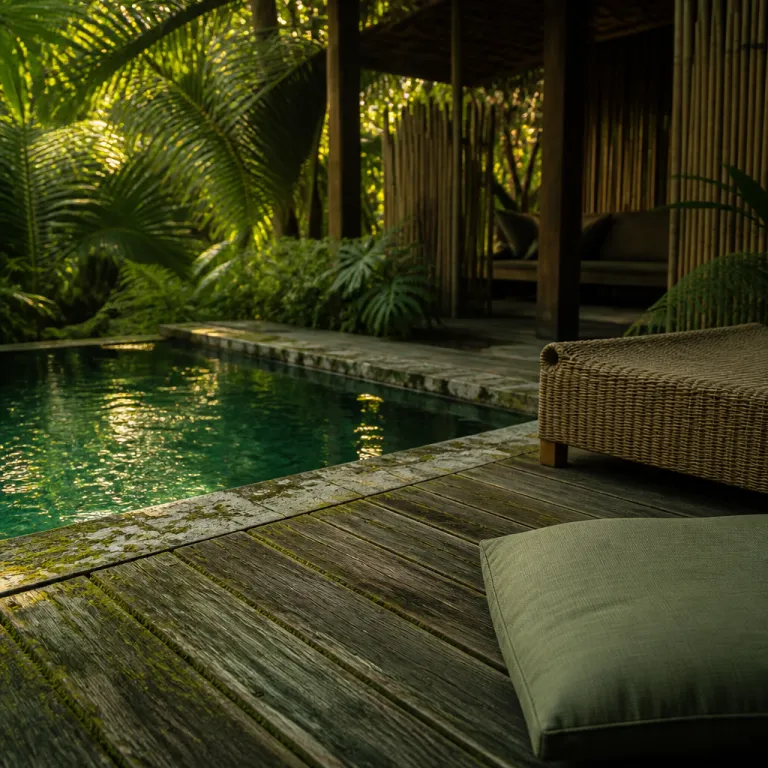
Mandarava inspired serenity in Phuket’s luxury hilltop retreats
High above Phuket’s busy shoreline, a handful of luxury retreats echo the serene energy associated with princess Mandarava and her path toward enlightenment. These elevated sanctuaries balance contemporary comfort with a subtle spiritual atmosphere that recalls how Mandarava and Padmasambhava turned remote spaces into places of practice and refuge. Guests who value quiet reflection as much as ocean views will find that this blend of privacy, nature, and understated ritual creates a strong foundation for a restorative stay.
Many premium hotels on the island now curate experiences that feel almost like a gentle Buddhist style retreat, without ever becoming overtly religious or demanding. You might wake to a soft gong instead of a phone alarm, join a sunrise meditation that nods to Tibetan Buddhism, then return to a suite where a simple Buddha statue and a single ritual implement are used as a tasteful teaching tool in the room’s design. This approach mirrors how Mandarava depicted spiritual life as something woven into daily routines rather than confined to a cave or temple, while still remaining optional and inclusive for guests of all backgrounds.
Several properties draw inspiration from the story of Mandarava’s Indian origins in Zahor, in present day Himachal Pradesh, where she left royal life for a deeper spiritual path. Designers reference this heritage through textiles and artwork that evoke Indian teacher lineages, while spa programs borrow language from the dharma to frame wellness as a path for modern travellers. When a hotel team explains that “Mandarava's birth, meeting Padmasambhava, and achieving enlightenment” form a single arc of transformation, they invite guests to see their own trip as a smaller journey toward balance and long life, grounded in stories discussed in standard introductions to Tibetan hagiography.
How Mandarava’s story shapes the feel of a Phuket stay
In the narrative of Tibetan Buddhism, Mandarava became Padmasambhava’s consort and disciple, and this spiritual partnership influences how some Phuket retreats design spaces for couples. Suites with dual daybeds facing the sea, paired massage rooms, and shared meditation decks subtly echo the idea of Mandarava and Padmasambhava walking a shared path, where practice is both intimate and expansive. For travellers, this can turn a simple holiday into a chance to reconnect with a partner while honouring individual inner life and personal contemplative practice.
Art programs in these hotels sometimes highlight both Mandarava and Yeshe Tsogyal, two of the most prominent female Buddhist figures associated with the eighth century in Tibetan sources. Curators may note that historical records from that period mention relatively few named female practitioners, and use this as a starting point to commission contemporary works of a dakini or sky dancer. These pieces often portray Yeshe Tsogyal and Mandarava depicted together with Padmasambhava in the background, suggesting that feminine wisdom and the lotus born teacher Padmasambhava remain relevant for guests seeking clarity today, even when encountered in a hotel gallery rather than a monastery.
Wellness directors also borrow from the Maratika cave legend, where Mandarava and Padmasambhava are said in Tibetan hagiographies to have attained long life through profound practice. While Phuket has no Maratika caves, some resorts carve out quiet, dimly lit spa corridors that evoke a cave like stillness, ideal for breathwork or guided visualisations. In these spaces, the story of Maratika and the Maratika cave becomes a metaphor for stepping away from the surface of busy travel life and entering a more reflective inner chamber, with staff trained to distinguish clearly between mythic narrative and historical fact.
Choosing a Mandarava style luxury base for hidden Phuket explorations
When selecting a luxury hotel in Phuket that resonates with Mandarava’s legacy, start by looking at how the property relates to its surrounding landscape. Mandarava left the palaces of Himachal Pradesh for more secluded settings, and similarly, the most atmospheric Phuket retreats sit slightly apart from crowded beaches, often on forested hillsides. This separation creates a natural buffer that supports spiritual quiet while keeping you close enough to reach the island’s hidden gems within minutes, whether that means a viewpoint, a temple, or a quiet cove.
Examine how each hotel frames its wellness and cultural programming, because this reveals whether the Mandarava inspired narrative is thoughtful or superficial. A serious group of local guides and visiting practitioners might offer sessions on meditation practice, gentle yoga, or introductory Buddhism, always presented in a way that respects Thai traditions and clearly distinguishes local Theravada customs from Tibetan influences. When staff can explain how Padmasambhava–Mandarava stories relate to Thai temple etiquette or to the life of a modern rinpoche, and emphasise that Thai Theravada rituals differ from Vajrayana practices such as mantra recitation or visualisation, you know the property treats spiritual themes with care rather than as decoration.
Seasonality also matters when planning a Mandarava style stay that includes exploration of quieter corners of the island. Travellers willing to embrace softer light and occasional showers can use a detailed guide to the green season on the Andaman coast to time their visit for fewer crowds and more contemplative spaces. This period often brings lower rates at premium properties, allowing you to upgrade to suites where a Buddha statue, a small ritual implement, and a private terrace create a calm base for day trips, while still enjoying full resort services.
Room features that echo Mandarava’s path dharma
Inside the best suites, design details subtly reference the path dharma without turning your room into a shrine. You might notice a low table set up for tea as a simple teaching tool, encouraging you to slow down and treat each sip as a small practice in presence. Soft wall art can portray Mandarava depicted beside Padmasambhava, with a cave entrance or Maratika cave motif in the background, reminding guests that even luxurious surroundings can support inner work and mindful awareness.
Look for rooms that balance technology with tactile, almost ritual elements, because this mirrors how Mandarava and Padmasambhava integrated ritual implements into everyday life. A hand carved wooden tray for incense or flowers, a small shelf with a Buddha statue, or a cushion placed by the window for quiet reflection can all serve as modern equivalents of a ritual implement. These touches invite you to treat your stay as a living practice, rather than a pause from life, and they align beautifully with the story of an Indian princess who chose spiritual depth over royal distraction, as described in standard biographies of Mandarava.
Some properties also offer curated reading corners that introduce guests to Tibetan Buddhism and related dharma teachings in accessible language. Short texts may explain who Mandarava the Indian princess was, how she met the lotus born Padmasambhava, and why their partnership matters for contemporary seekers. When a hotel invests in this level of context, often drawing on introductory works on Tibetan history and religion, it signals a commitment to authenticity that travellers interested in both luxury and meaning will appreciate.
Temples, hilltop views, and Mandarava themed day trips from your hotel
From a Mandarava inspired hotel base, you can design day trips that weave together Phuket’s Buddhist heritage and its lesser known landscapes. Start with the island’s hilltop temples, where sweeping views mirror the expansive perspective that Mandarava and Padmasambhava cultivated through meditation practice. A detailed feature on the temples that anchor the view behind Phuket’s hilltop hotels offers a useful framework for pairing specific shrines with nearby premium properties, while reminding visitors that these are living Theravada communities rather than Tibetan style monasteries.
At these temples, you will often encounter statues of the Buddha in various postures, each representing a different aspect of awakened life. While these are not statues of Mandarava or Yeshe Tsogyal, the presence of female offerings and images of a dakini or sky dancer in some shrines echoes their role in expanding space for women within Buddhism. Observing how local Thai Buddhist practice, with its emphasis on merit making and monastic support, blends with occasional influences from Tibetan and Indian teacher lineages can deepen your appreciation of how the dharma travels and adapts without erasing local identity.
Some hotels arrange private visits with monks or lay teachers who can speak about the basics of Buddhist ethics and meditation in clear, contemporary language. These sessions rarely mention Maratika cave or specific terma revelations, yet the underlying message about cultivating long life through balanced living aligns with the Mandarava–Padmasambhava story. For travellers, this creates a bridge between the quiet of their suite, the ritual implement on a bedside table, and the living dharma expressed in Phuket’s temple communities, as described in regional cultural studies and tourism research.
Hidden coastal and forest sites with a Mandarava atmosphere
Beyond temples, your concierge can point you toward lesser known coastal viewpoints and forest trails that carry a Mandarava like stillness. Short hikes through rubber plantations or secondary forest lead to rocky outcrops where the sea feels distant and the wind becomes your only companion. These spots recall the caves and remote valleys where Mandarava and Padmasambhava are said to have engaged in intensive practice, turning wild landscapes into classrooms for the mind and inviting a slower, more observant pace.
On the coast, look for small, less developed beaches where local fishers still work and evening rituals unfold quietly. Sitting here at sunset, you may feel a connection to the way Indian and Tibetan practitioners once watched the sky for signs, imagining dakinis and sky dancers moving through the clouds. Such moments can transform a simple beach outing into a contemplative pause, especially when framed by stories your hotel has shared about Mandarava’s Indian heritage and the broader currents of Tibetan Buddhism, based on widely available introductory sources.
For guests who enjoy photography, these hidden sites offer chances to capture images that echo the visual language of Buddhist art. A lone tree against a wide sky can resemble a ritual implement standing upright, while a weathered rock face might evoke the entrance to a cave or even the legendary Maratika cave. Bringing these images back to a suite where Mandarava depicted in artwork watches over your stay creates a satisfying loop between exploration and rest, and between outer scenery and inner reflection.
Design, art, and Mandarava symbolism in Phuket’s premium hotels
Interior designers working on Phuket’s top tier hotels increasingly draw on Mandarava’s story as a subtle narrative thread. Rather than filling lobbies with overt religious imagery, they use abstract forms and textures that hint at caves, mountains, and the flowing robes of a dakini or sky dancer. This approach respects the island’s Thai Buddhist identity while acknowledging the wider Himalayan and Indian influences that shape many travellers’ spiritual imagination and reading habits.
In some properties, you will notice sculptural pieces that recall a Buddha statue without copying any specific icon, allowing guests from diverse backgrounds to interpret the forms freely. Curators might place these near water features or quiet seating areas, echoing how Mandarava and Padmasambhava used natural elements as teaching tools in their practice. When staff explain that “Who was Mandarava? An 8th-century Indian princess and consort of Padmasambhava.” and “What is Mandarava known for? Her spiritual partnership with Padmasambhava and contributions to Buddhism.” and “Where was Mandarava born? In Zahor, present-day Himachal Pradesh, India.” they give visitors a concise context for appreciating these design choices, often referencing standard academic summaries of her life.
Art programs sometimes commission works that portray Mandarava’s life as an Indian princess in Zahor, with subtle references to Himachal Pradesh landscapes and the royal court she left behind. These pieces may show princess Mandarava turning away from palace walls toward a distant cave, foreshadowing her later connection to Maratika and other retreat sites. For guests, such imagery can serve as a quiet reminder that even in the midst of great comfort, there is always an invitation to look inward and align travel with deeper values, a theme echoed in many modern commentaries on Buddhist pilgrimage.
Functional objects as modern ritual implements
Thoughtful hotels treat everyday objects as potential ritual implements, echoing how Tibetan Buddhism uses bells, vajras, and other tools to focus attention. A simple brass bowl for welcome drinks, a carefully weighted key fob, or a handwoven throw can all become tactile anchors that bring you back to the present moment. This philosophy turns the entire property into a kind of living terma, where hidden teachings emerge through attentive use of ordinary things and through conversations with well briefed staff.
Some suites feature writing desks positioned to face the sea or a garden, inviting guests to journal about their life, travels, and intentions. In this setting, the desk becomes a teaching tool, encouraging reflection in the spirit of Mandarava and Yeshe Tsogyal, who both recorded and transmitted dharma teachings. When a hotel offers optional prompts related to path dharma, such as questions about what long life means beyond simple longevity, it deepens the connection between comfort and contemplation and reflects current wellness research on the benefits of reflective writing.
Lighting design also plays a role, with dimmable lamps and candle like fixtures creating a cave inspired atmosphere in the evenings. This gentle darkness recalls the Maratika cave story without copying it literally, allowing guests to feel held and focused as they read, meditate, or simply rest. In such spaces, the boundary between luxury and spiritual practice softens, much as it did for Mandarava and Padmasambhava when they transformed remote shelters into places of awakening, as described in traditional Tibetan life stories.
Linking Mandarava themes with Phuket’s eco conscious luxury scene
Mandarava’s decision to leave a life of excess in Himachal Pradesh for a more disciplined path offers a useful lens for evaluating Phuket’s eco conscious luxury hotels. Properties that align with this spirit prioritise low impact architecture, careful water use, and respectful relationships with nearby communities. Guests who care about both comfort and ethics will find that such places honour the dharma principle of interdependence in practical, measurable ways, echoing themes discussed in contemporary Buddhist environmental ethics.
One influential example on the Andaman coast is the design led Casa de La Flora, profiled in depth in a feature on the new wave of eco conscious design hotels. While not explicitly themed around Mandarava or Padmasambhava, its approach to materials, energy, and guest experience resonates with the idea of treating a hotel as a modern cave of practice. Travellers can use this case study, often cited in sustainable hospitality reports, as a benchmark when assessing other properties that claim to integrate Buddhist or spiritual values into their operations.
Look for hotels that support local teachings groups, sponsor temple restorations, or host visiting rinpoche teachers for public talks on Buddhism and mindful living. These initiatives show that the property understands dharma as more than a decorative motif or a marketing term. When a hotel’s leadership speaks clearly about how Tibetan Buddhism, Thai Buddhist traditions, and Indian teacher lineages inform their values, and can point to specific community projects or educational programs, it becomes easier for guests to trust that spiritual references to Mandarava, Yeshe Tsogyal, or the lotus born Padmasambhava are grounded rather than superficial.
Practical booking tips for a Mandarava aligned stay
When using a premium booking platform focused on the Phuket region, filter first by location and elevation to find properties that echo Mandarava’s preference for slightly removed, contemplative settings. Next, read descriptions carefully for mentions of meditation spaces, temple partnerships, or curated cultural programs that reference Buddhist or dharma themes. These signals often indicate that the hotel has thought deeply about how to integrate spiritual elements without overwhelming guests who simply want a peaceful holiday, and that they have consulted qualified teachers.
Before confirming, contact the property to ask specific questions about their approach to spiritual content and guest privacy. A trustworthy hotel will explain how they balance optional practice opportunities with respect for all beliefs, and how they train staff to speak about figures like Mandarava, Padmasambhava, and Yeshe Tsogyal accurately. This conversation can also reveal whether they understand sensitive topics such as terma, Maratika cave legends, or the role of a rinpoche as a teacher, rather than using these words loosely, and whether they collaborate with Thai monastics when introducing Tibetan elements.
Finally, consider aligning your travel dates with any scheduled teachings group visits, art exhibitions, or wellness festivals that highlight Mandarava depicted in contemporary ways. Participating in even one talk or workshop can enrich your understanding of how an eighth century Indian princess, a lotus born teacher Padmasambhava, and modern Phuket hoteliers all intersect in the shared project of creating spaces for reflection. When your booking choices reflect this awareness, your stay becomes more than a series of nights in a beautiful room; it turns into a small but meaningful chapter in your own path dharma, supported by both local Thai traditions and carefully presented Tibetan stories.
Statistics: key figures behind Mandarava themed luxury travel in Phuket
- Scholarly summaries of early Tibetan hagiographies highlight Mandarava and Yeshe Tsogyal as two especially prominent female Buddhist figures associated with the eighth century, which helps explain why modern hotels referencing them carry a special responsibility for accuracy; standard overviews of Tibetan Buddhism and biographies of Padmasambhava consistently mention both women.
- Phuket’s hilltop and hillside luxury properties typically sit between about 40 and 120 metres above sea level, creating the elevated perspectives that many guests associate with retreat like stays and temple views (based on regional hotel elevation data published by tourism boards and mapping services that aggregate GPS and topographic information).
- Wellness focused luxury hotels in Thailand report that meditation and yoga participation rates among guests have risen by roughly 30 percent over the past decade, according to industry surveys from hospitality research groups tracking spa and wellness trends and summarised in annual global wellness economy reports.
- Green season occupancy in high end Phuket hotels can be around 15 to 25 percent lower than peak months, as indicated by Thai tourism statistics and hotel benchmarking reports, which often translates into better value for travellers seeking Mandarava style quiet and more personalised attention from staff.
- Design led eco luxury properties on the Andaman coast have reported energy savings of up to about 40 percent after implementing efficient cooling systems and passive shading, in line with case studies published by sustainable architecture organisations that monitor hotel performance and by regional green building councils.
FAQ: Mandarava, spiritual themes, and Phuket luxury hotels
Who was Mandarava and why does she matter for Phuket travellers ?
Mandarava was an eighth century Indian princess from Zahor, in present day Himachal Pradesh, who became the consort and disciple of Padmasambhava, a key figure in Tibetan Buddhism. Her choice to leave royal life for a spiritual path inspires many modern retreats that blend comfort with opportunities for reflection. For Phuket travellers, her story offers a lens for choosing hotels that value depth, ethics, and inner balance alongside luxury, drawing on themes described in widely used introductions to Tibetan Buddhist history.
How do Phuket luxury hotels incorporate Buddhist or spiritual elements ?
Many premium properties integrate Buddhist and spiritual themes through subtle design, optional meditation sessions, and partnerships with local temples or teachers. You might see a Buddha statue in a lobby, a small ritual implement used as a decorative teaching tool, or a quiet room set aside for practice. These elements are usually presented in a way that respects Thai Buddhist culture, which follows Theravada forms of worship, while remaining accessible to international guests and clearly framed as inspiration rather than formal doctrine or Tibetan style ritual.
Are Mandarava and Yeshe Tsogyal represented in Phuket’s temples ?
Phuket’s temples primarily follow Thai Theravada Buddhist traditions, so statues of Mandarava and Yeshe Tsogyal are uncommon. However, some art and design in luxury hotels reference these figures from Tibetan Buddhism, especially in spaces aimed at international visitors interested in Himalayan spiritual lineages. Guests can still learn about them through curated reading materials, talks, or artworks that explain their roles as pioneering female practitioners, often based on modern translations of Tibetan life stories.
Can I have a spiritual experience in Phuket without joining a formal retreat ?
Yes, many travellers create a personal spiritual experience simply by choosing a quiet Mandarava inspired hotel, visiting hilltop temples, and setting aside time for reflection. Optional activities such as sunrise meditation, gentle yoga, or guided temple visits can add structure without the intensity of a formal retreat. The key is to select a property that understands dharma themes, distinguishes clearly between Thai Theravada customs and Tibetan practices, and offers space for both privacy and gentle guidance.
How should I evaluate spiritual claims made by luxury hotels ?
When a hotel references Mandarava, Padmasambhava, or Tibetan Buddhism, ask how they work with qualified teachers and local communities. Look for clear explanations of their partnerships, respect for Thai Buddhist traditions, and transparency about optional versus mandatory activities. Properties that can speak concretely about their teachings groups, temple relationships, and ethical commitments, and that can point to recognised sources for their historical information, are more likely to offer an experience that honours both spiritual heritage and guest comfort.