Rawai’s working waterfront and why it matters for luxury travelers
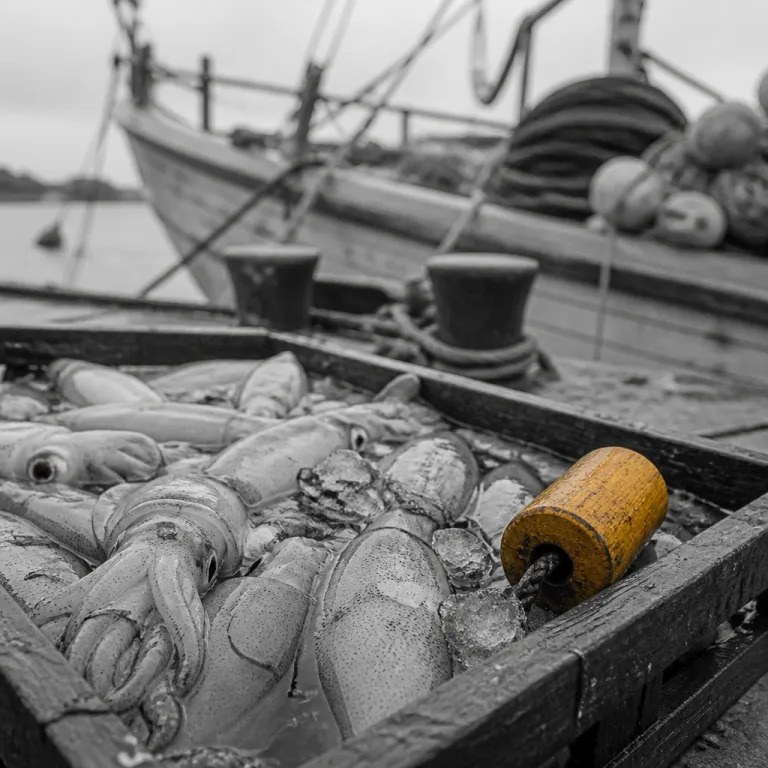
Rawai sits at the southern tip of Phuket island, where the road narrows and the sea suddenly feels close again. This is not the polished boardwalk of a resort but a working waterfront, with longtail boats and squid boats lining the pier in a daily choreography that quietly defines the character of phuket rawai. When the fleet returns at first light, the pier itself becomes a living menu for anyone serious about the rawai seafood market phuket fresh fish experience.
Local fishermen step off their boats with baskets of fish, crab, prawns and lobster that have barely left the sea, and this direct connection between boat and table is what makes the seafood market here unique on phuket island. The market offers a rare chance to see a sea gypsy community at work, not as a staged attraction but as a living culture that has supplied phuket seafood to the island long before luxury hotels arrived. For travelers staying in premium properties from Nai Harn to phang nga facing retreats, this is the place where the island’s gastronomy starts, long before a chef plates a stir fried crab or grills a whole fish over charcoal.
For a luxury guest used to room service and tasting menus, walking into the rawai market can feel like stepping backstage into the engine room of southern thailand’s coastal cuisine. The best time to feel that energy is early morning, when the fish market is still cool, the freshest seafood is being laid on ice, and the sea gypsy vendors are chatting with local restaurant buyers from phuket town. This is where the rawai seafood story begins, and where any serious food focused visit to phuket should quietly anchor itself.
How the Rawai seafood market works, step by step
Think of the rawai seafood market as a three act performance, and you are invited to play both guest and curator. First you walk the narrow lane opposite rawai beach, where market rawai vendors display trays of fresh seafood on crushed ice, from tiger prawns around 400 baht per kilogram to squid closer to 200 baht per kilogram and lobster that can reach 800 baht per kilogram. This is the moment to slow down, compare stalls, and choose the fish or shellfish that looks perfect for your lunch or early dinner.
Once you have selected your fresh seafood, the second act begins with a short stroll to one of the nearby restaurants that line the waterfront, each ready to cook your purchase for a modest fee. Staff will ask how you want to cook each item, suggesting stir fried squid with garlic and pepper, whole fish steamed with lime and chili, or prawns grilled simply with sea salt for the cleanest possible taste of the sea. The method is simple and efficient, and as one local explanation puts it without embellishment : “Buy seafood from vendors; nearby restaurants cook it for a fee.”
The final act is the one you will remember when you think back to your visit rawai, as plates arrive at your table just metres from the water, and you enjoy the rawai seafood market phuket fresh fish you chose yourself. The best time for this meal is often late morning or early afternoon, when the market phuket heat is still manageable and the restaurants are busy but not overwhelmed. If you are staying through the so called green months, reading a contrarian guide to Phuket’s monsoon season will help you plan your visit so that showers become part of the atmosphere rather than a disruption.
From pier to plate: what to order and how to eat well
Arriving at the seafood market in Rawai without a plan can be thrilling, but a little strategy turns a good meal into the best experience of your trip. Start with the freshest seafood you can see, prioritising live fish, wriggling prawns and clams that snap shut when touched, because these are the clearest signs that the catch has only just left the sea. Ask vendors which fish came in on the earliest boats, and you will often be pointed toward the same baskets that local buyers from phuket town quietly favour.
When you sit down at a restaurant that specialises in seafood rawai style, think in terms of textures and cooking methods rather than individual dishes. A whole fish is usually perfect steamed with lime and herbs, while firm fillets shine when stir fried with basil or black pepper, and delicate squid benefits from a quick flash in a hot wok to stay tender. Prawns and lobster from the rawai market are often best grilled over charcoal, brushed with a little oil and served with a bright nam jim seafood dipping sauce that tastes of lime, chili and garlic.
For travelers who enjoy fine dining, the philosophy at PRU in northern phuket — where a Green Star approach celebrates community to fork sourcing — mirrors what happens naturally every day at phuket rawai. Reading a detailed guide to fine dining in Phuket gives useful context, showing how the island’s most ambitious kitchens rely on the same sea gypsy networks that supply the rawai seafood stalls. In that sense, when you enjoy a simple grilled fish at rawai beach, you are tasting the same freshest seafood that underpins the island’s most refined tasting menus.
Designing a Rawai day: from market mornings to sunset capes
Rawai rewards those who treat it as a full day on the island rather than a quick stop for lunch. Start early at the fish market when the air is still cool, watch the longtail boats unload their catch, and enjoy the rawai seafood market phuket fresh fish ritual before the crowds arrive. After your meal, step away from the market phuket bustle and let the rest of the peninsula unfold at a slower pace.
Laem Ka is one of those places that regulars hesitate to name, a small cove east of rawai beach where the sea stays calm and the mood feels quietly local. It is a perfect spot to swim off the meal, sit under casuarina trees and watch the fishing boats that link phuket island to nearby phang nga waters. Later in the afternoon, many travelers drift toward Nai Harn for a longer beach walk, or head straight to Promthep Cape, where the headland drops into the sea and sunset paints the squid boats that will return to the pier by nightfall.
If you are staying in a luxury hotel elsewhere on the island, from Kamala’s hillside suites to the quieter addresses near phang nga, consider pairing a Rawai day with a slower Andaman escape. Our guide to Ko Yao Yai’s quiet luxury shows how easily you can balance the sensory intensity of the seafood market with the hush of mangrove lined bays. Between these places, you begin to understand phuket not just as a beach destination but as an island whose best time is often when you are closest to the working sea.
Staying near Rawai: where luxury meets a working sea gypsy village
Choosing a hotel near Rawai is less about ticking a beachfront box and more about deciding how close you want to be to the island’s last truly working waterfront. Properties around Nai Harn and the southern headlands give you quick access to the seafood market while keeping a little distance from the busiest part of rawai beach, which many guests find perfect for balancing calm with character. From these bases, it is easy to visit rawai in the morning, retreat to a pool in the heat of the day, then return for an evening walk along the pier.
When you book, look for hotels that understand the rhythm of the sea gypsy community and treat it with respect rather than as a backdrop. Some concierges can arrange guided walks through the rawai market, explaining which stalls specialise in certain fish, which families have supplied phuket seafood to local restaurants for generations, and how to negotiate prices fairly without turning the experience into a game. This kind of context deepens your connection to the market rawai scene and helps ensure that your spending supports the local fishermen and vendors who keep the freshest seafood flowing into the island’s kitchens.
Ethical travel here also means remembering that the Chao Ley, often called sea gypsies, live and work around the pier, and their village is not a theme park. Dress modestly when you visit, ask before taking photographs, and treat the lanes behind the seafood rawai stalls as residential spaces rather than tourist attractions. Done well, a stay near phuket rawai lets you enjoy the rawai seafood market phuket fresh fish culture while contributing to the livelihoods that make this corner of thailand feel so vividly alive.
FAQ
How does the Rawai seafood market operate for first time visitors ?
The system is straightforward : you choose your fresh seafood from the vendors along the road opposite rawai beach, paying by weight for items like fish, prawns, squid or lobster. You then carry your purchases to a nearby restaurant, where staff will suggest cooking methods such as grilling, steaming or stir fried preparations, and charge a clear per kilogram fee for the service. This approach lets you control quality and quantity while still enjoying the comfort of a sit down meal by the sea.
What are the usual operating hours of the Rawai seafood market ?
The market typically comes to life from early morning, when fishermen return to the pier around 6:00, and continues through the afternoon until early evening. The best time for the widest choice of fresh seafood is usually between mid morning and early afternoon, when the day’s catch is fully displayed and restaurants are ready to cook. Later in the day, some stalls may sell out of the most popular fish and shellfish, especially during busy holiday periods.
Is bargaining acceptable at the Rawai fish market ?
Negotiating is part of normal market culture here, and polite bargaining is expected when you buy seafood by the kilogram. Prices are usually marked, but vendors anticipate a little discussion, especially if you are buying several types of fish or ordering for a group. Aim for a respectful tone, remember that you are dealing with local families and sea gypsy communities, and avoid pushing prices unrealistically low.
Are there other items to buy besides seafood at Rawai ?
While the focus is firmly on rawai seafood and fish straight from the sea, you will also find small stalls selling tropical fruits, Thai desserts and simple souvenirs. These extra options make it easy to round out a meal with fresh mango or sticky rice, or pick up a small reminder of your visit rawai without leaving the waterfront. For serious cooks, some vendors also sell basic ingredients and sauces that can inspire your own cooking once you return to your hotel or home kitchen.
How can luxury travelers integrate Rawai into a wider Phuket itinerary ?
A practical approach is to base yourself in a premium hotel in the south of phuket island, using one day for the rawai seafood market phuket fresh fish experience and another for quieter excursions to nearby beaches or phang nga facing islands. Many guests pair a market morning and lunch in Rawai with an afternoon at Nai Harn or a sunset visit to Promthep Cape, then spend the next day on a boat trip or at a spa. This balance keeps you close to the island’s working waterfront while still enjoying the comfort and privacy expected from high end stays.