Phuket’s gastronomy fest as a stage for a creative city
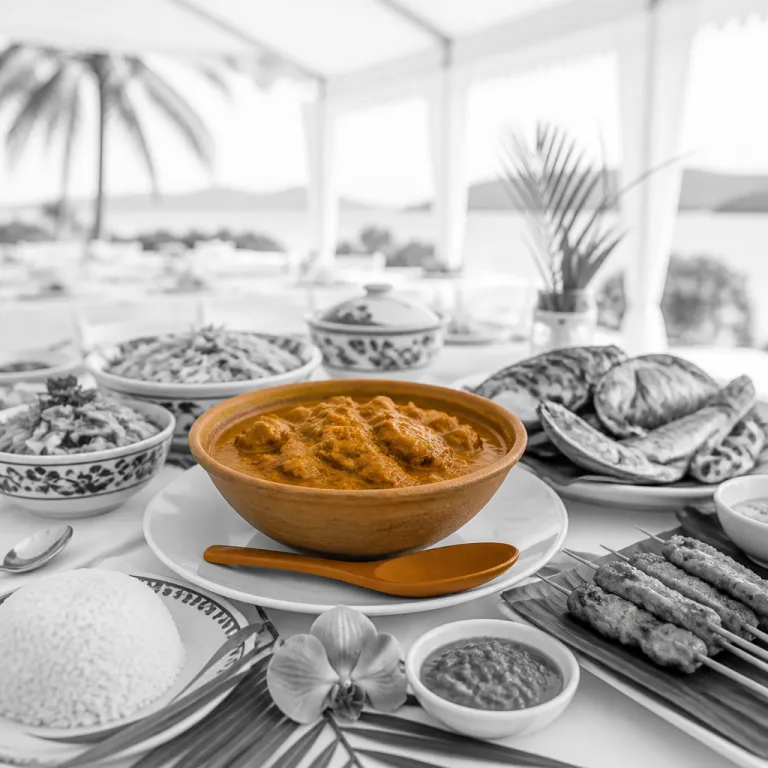
The phuket UNESCO city of gastronomy food festival 2026 turned Saphan Hin Public Park into a temporary coastal city gastronomy hub. Over five days, the main venue hosted more than 400 stands where chefs from every district translated Phuket’s food culture into tasting menus, street snacks and live-fire grills for an audience of residents, visitors and international media. For luxury travelers choosing a hotel in the city, this festival showed how gastronomy now anchors Phuket’s tourism sector as firmly as its beaches.
Phuket Municipality, working with the Tourism Authority of Thailand and local restaurants, positioned the event as a bridge between creative cities in the UNESCO Creative Cities Network and the island’s own creative economy. Officially framed as a food festival under the theme “Good Food, Good Health, Good Spirit”, it highlighted how international gastronomy conversations can sit comfortably beside family recipes cooked in woks blackened by decades of service. The government’s objectives were clear ; promote local cuisine, preserve traditional techniques and use the festival to boost tourism in a way that benefits the community.
Each evening, the main stage shifted from cooking demonstrations to cultural performances that underlined Phuket’s layered cultural heritage. Sino Thai lion dances, Muslim Malay drumming troupes and Peranakan costume shows reminded people that this creative city grew from trade routes linking international cities such as Penang, Singapore and even faraway ports like San Antonio. For hotel guests arriving from those cities, gastronomy became the most direct way to read the culture of Phuket as a living, working city rather than a resort backdrop.
How festival flavors translate into hotel choices
For travelers using a luxury and premium hotel booking website in the Phuket region, the phuket UNESCO city of gastronomy food festival 2026 offered a practical map for where to stay. Properties within 3 to 5 km of Saphan Hin and Phuket Old Town gave guests easy access to the main venue, late night food stalls and early morning markets that continued the festival’s energy. Choosing a city base near these community venues means residents, visitors and hotel guests share the same pavements, coffee counters and noodle stands.
High end hotels in Phuket Town now curate culinary experiences that echo the festival’s focus on culture and community. Concierges arrange guided walks through streets where Hokkien noodles, roti and kopi are served by families who also cooked at the event, turning a simple bowl of food into a direct link between residents visitors and the island’s creative economy. When you compare properties, look for those that highlight proximity to Old Town markets, night food streets and heritage shophouses rather than only infinity pools.
Architecture minded travelers can cross reference these culinary priorities with the design led properties featured in our guide to architectural masterpieces in the Phuket region. A hotel housed in a restored Sino Portuguese mansion, for example, places you inside the same urban fabric that produced the festival’s most talked about dishes. In this way, the phuket UNESCO city of gastronomy food festival 2026 becomes not just an event, but a filter for choosing hotels that genuinely connect you to the city’s food culture.
From festival stalls to year round culinary streets
While the phuket UNESCO city of gastronomy food festival 2026 lasted only five days, its menu reads like a year round itinerary for solo travelers. Many stalls were run by Old Town coffee shops, roti vendors and noodle houses that you can visit long after the festival lights fade. Booking a hotel within walking distance of these streets turns the city itself into your main venue for breakfast, lunch and late night snacks.
Phuket’s designation as a UNESCO Creative City of Gastronomy means its food scene is treated as cultural heritage, not just entertainment for tourists. That status links the island to other creative cities gastronomy such as Macao, where the Macau Fisherman’s Wharf and the fest Macao events showcase how a fisherman wharf can evolve into a polished community venue without losing its working roots. In Phuket, Rawai’s pier plays a similar role ; luxury travelers can watch longtail boats unload the day’s catch, then eat grilled squid at plastic tables while the bay glows with fishing lights.
For travelers who care about food culture more than poolside cocktails, staying near Phuket Town’s weekly night markets offers constant access to the same chefs who cooked at the gastronomy fest. Our in depth feature on tracking southern Thai flavors through Phuket’s local kitchens maps out stalls where Muslim Malay curries, Sino Thai stir fries and Peranakan sweets appear nightly. Choosing a hotel that understands this audience and can arrange transfers or guided walks to these markets will give solo explorers a safe, structured way to engage with the community.
Street level luxury for solo explorers
Luxury in a UNESCO creative city often looks different from the clichés of resort marketing. In Phuket, it might mean a concierge who knows which roti cart from the phuket UNESCO city of gastronomy food festival 2026 sets up near your hotel at 06.00, or which alleyway coffee shop still roasts beans in a hand turned drum. These details matter more to solo travelers who rely on the city’s rhythm rather than a group itinerary.
Hotels that take this seriously train their teams to read the city as a living gastronomy map. Staff can explain how the same families who served Hokkien noodles at the event also run small shophouse restaurants, and why “What is Phuket’s signature dish?” is answered simply as “Hokkien noodles.” They will also know when the night markets are busiest, which stalls are most suitable for cautious eaters and how to navigate crowds so residents, visitors and hotel guests all feel comfortable.
For the tourism sector, this approach turns every stay into a micro extension of the festival’s objectives. The community benefits when guests eat at local stalls, while travelers gain a deeper understanding of how food, culture and daily life intersect in this city. When you browse hotel options, look for language about guided street food walks, market breakfasts and chef led tastings rather than only generic references to international food.
Fine dining, policy and the future of Phuket’s food festivals
The phuket UNESCO city of gastronomy food festival 2026 also sat against a backdrop of rising international recognition for Phuket’s fine dining. The island now hosts PRU, a one Michelin star restaurant with a Green Star for sustainability, alongside 19 Bib Gourmand addresses that translate local flavors into refined plates. Our analysis of Phuket’s Michelin map shows how these venues cluster near Old Town and key beach areas, giving luxury hotel guests multiple options within a short drive.
Yet the festival’s real power lay in how it connected those headline restaurants to the wider community of cooks, market vendors and home based chefs. “When was Phuket designated a UNESCO City of Gastronomy?” is answered as “2015.” That date marked the moment when the government, local chefs and tourism officials began treating food as a strategic pillar of the creative economy, not just a pleasant side effect of beach tourism.
Policy makers now look to other international cities gastronomy, from Macao to San Antonio, for models on how to balance tourism growth with protection of cultural heritage. In Phuket, the deputy mayor and Phuket Municipality use the annual food festival as a testing ground for ideas about waste reduction, stall design and community venue management that can later be applied to permanent markets. For travelers, this means future editions of the gastronomy fest will likely feel more curated yet still rooted in the everyday life of the city.
What this means for your next hotel booking
For guests planning trips around the phuket UNESCO city of gastronomy food festival 2026 and its successors, timing and location are everything. Booking early secures rooms in city hotels that place you within a short taxi ride of Saphan Hin, Old Town markets and Rawai’s seafood pier, turning the entire island into a walkable or easily reachable food festival. Properties that highlight partnerships with local chefs or cooking schools often provide priority access to workshops and tastings linked to the event.
Even outside festival dates, choosing a hotel that understands Phuket’s role among UNESCO creative cities gastronomy will shape your stay. Ask whether the concierge can arrange visits to community venues where festival vendors cook daily, or organize a morning at Rawai’s fisherman wharf followed by lunch at a family run seafood restaurant. Some properties now offer packages that combine market tours, cooking classes and dinners at Michelin listed venues, giving solo travelers a structured yet flexible way to engage with both street food and international gastronomy.
Ultimately, the most rewarding stays in this city come from aligning your hotel choice with the rhythms revealed by the phuket UNESCO city of gastronomy food festival 2026. Look for places that treat food as a lens on culture, not just a line item on a room service menu. In Phuket, the real luxury lies in waking up within walking distance of a market where the same people who fed the festival’s crowds are already stirring pots for the day ahead.