How phuket temples shape the island’s quietest luxury views
Phuket temples form a spiritual grid beneath many of the island’s most coveted hilltop suites. These Phuket temples, from gleaming hilltop wat complexes to half hidden shrines, are the reason some infinity pools feel contemplative while others feel like just another beach party backdrop. When you plan a trip to visit Phuket and stay in elevated properties, you are often sleeping within sightlines shaped by Buddhist landmarks, long standing cultural sites and the long memory of local communities.
On this island, the best luxury hotels rarely stand alone; they sit in dialogue with at least one nearby temple or wat, whether that is a forest monastery above a beach in Phuket or a Chinese Thai shrine tucked behind shophouses in Phuket Town. Many travelers arrive for a beach Phuket escape, then slowly learn that the calm they feel at sunrise owes as much to chanting from a local temple as to the Andaman Sea. Treating Phuket’s religious architecture and historic sanctuaries as a framework for your trip Phuket planning helps you find a stay where the atmosphere matches your inner pace.
For solo travelers, this cultural layer becomes a practical guide rather than abstract theory. If you want a perfect balance between nightlife and reflection, you might choose a stay on a hillside between Patong Beach and Wat Doi Thepnimit, where the temple lanterns glow above the bay. Those seeking a more family friendly rhythm could look toward Chalong Phuket, where several temples and shrines sit close to calm marinas, soft sand and easy transportation guide options for day trips across Phuket Thailand. One local driver summed it up simply on an early morning transfer: “If you can hear the bell and see the sea, you’ve picked the right hill.”
Wat chalong, chalong phuket and the hotels that grew around devotion
Wat Chalong is the island’s most revered temple, and its daily rituals quietly choreograph life across Chalong Phuket. Monks here bless new boats, new homes and sometimes new hotels, so the surrounding luxury properties tend to lean into cultural context rather than ignore it. When travelers book a stay near Wat Chalong, they are entering a neighbourhood where Phuket’s temples and Buddhist heritage are not a backdrop but the main story.
Walk from a hilltop pool down toward the temple at dawn, and you will pass local food stalls, incense vendors and families preparing for a visit to the main temple hall. Wat Chalong generally opens from early morning until late afternoon, and the busiest hours run from about 9 a.m. to 3 p.m., when tour buses arrive from beach in Phuket areas. This is where many visitors first learn how to dress modestly, move clockwise around a temple and read the rhythm of a Thai wat during a trip Phuket that is otherwise focused on the beach. Because Wat Chalong is busy, solo travelers should visit early, then retreat to their hotel terrace to watch the crowds thin and listen to distant chanting that softens the whole valley.
For those planning a multi generational trip, the area around Wat Chalong works well as a family friendly base with easy access to both cultural and coastal experiences. You can pair a morning temple visit with an afternoon at a quiet beach in Phuket, then return to a villa designed for several generations, using a resource such as this guide to planning a Phuket family trip that works for everyone: three generations one villa in Phuket. In this part of Phuket Thailand, sacred sites sit close to marinas, making it simple to extend your stay with island hopping while keeping Wat Chalong as your spiritual reference point. A taxi ride from Chalong Pier to the temple usually takes around ten minutes, so even short breaks between boat trips can include a quick, respectful visit.
Big buddha, nakkerd hill and the contemplative hilltop stay
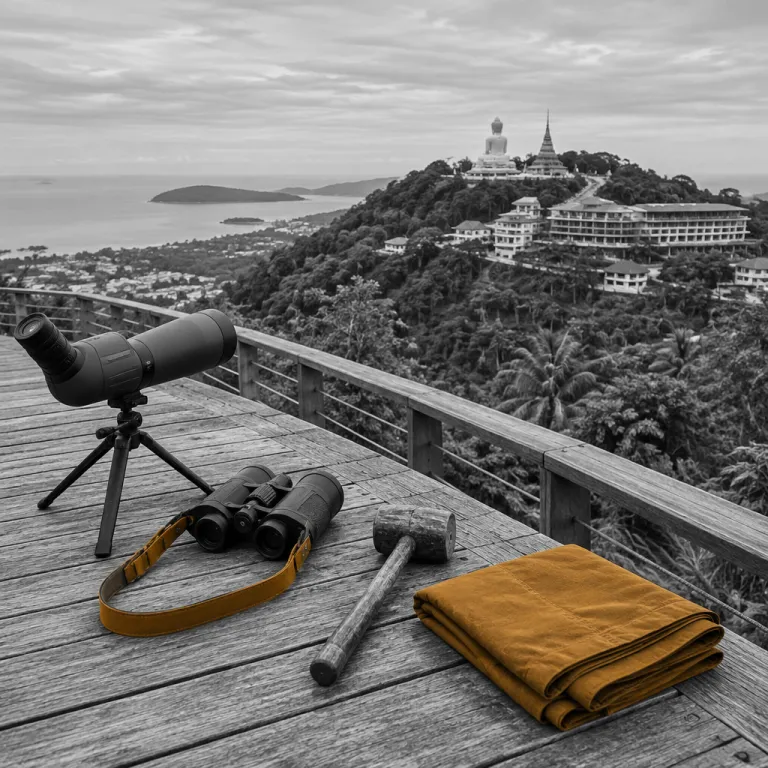
The Big Buddha of Phuket rises about 45 meters above Nakkerd Hill, and its marble presence has become the quiet anchor for many of the island’s most atmospheric hilltop hotels. Officially known as Phra Phuttha Ming Mongkol Eknakkiri, this statue is visible from much of Phuket Town, Karon and Kata, and its gaze loosely defines where developers chose to build their most view focused suites. When you book a stay on these ridgelines, you are not just paying for a panorama; you are entering the visual field of one of the most significant religious monuments and cultural landmarks on the island.
Resorts near Big Buddha often orient their pools, yoga decks and breakfast terraces toward the statue, so sunrise feels like a shared ritual between travelers and local worshippers climbing the hill. A common question is simple: What is the Big Buddha Phuket? The answer is equally direct; “A 45-meter marble statue atop Nakkerd Hill.” For solo travelers, this clarity matters, because it turns a standard trip Phuket into a layered experience where you can meditate in your room, then walk or drive up to the temple to hear bells and learn how local culture blends daily life with Buddhist practice. The drive from Kata Beach to the Big Buddha car park takes around 25 to 30 minutes, depending on traffic, with the final stretch winding steeply through forest.
From a practical perspective, staying near Big Buddha gives you a natural transportation guide for the southern part of Phuket Thailand. Roads that wind toward the statue also connect to some of the best beach Phuket viewpoints, so you can pair a temple visit with a late afternoon swim or a mangrove kayak excursion described in this experiential Phuket guide: mangrove kayaks, night markets and temple trails. Many travelers say that nights here feel different from stays directly on Patong Beach, because the presence of Big Buddha and nearby temples creates a quieter, more reflective atmosphere even when the island below is wide awake. One hotel manager on the ridge noted that guests often fall asleep to the sound of distant gongs rather than bar music.
Old town wats, chinese thai shrines and characterful city stays
Phuket Town is where the island’s layered spiritual history feels most concentrated, and where Phuket temples and shrines sit almost door to door with Sino Portuguese mansions and coffee shops. Around streets like Dibuk and Thalang, you will find formal wats such as Wat Mongkol Nimit alongside Chinese Thai shrines like Put Jaw, each shaping the mood of nearby guesthouses and premium city hotels. Choosing to stay here rather than on a beach in Phuket changes your trip Phuket from a standard resort holiday into a walkable cultural immersion.
In this part of Phuket Thailand, the line between temple and neighbourhood is thin, and that is precisely what makes it compelling for solo travelers. You might wake in a restored shophouse, step out for a morning coffee and pass a local procession carrying offerings toward a temple before the day’s heat builds. These streets are also where you can best learn about the interplay between Buddhist and Taoist traditions, because many shrines blend imagery, and the local culture reflects centuries of Hokkien Thai migration. During the annual vegetarian festival, for example, shrines in Phuket Town become focal points for processions that thread past boutique hotels and markets.
For those who like to plan with a complete guide, this district rewards slow exploration rather than a checklist approach. Use your hotel as a base to visit Phuket Town’s main wats, then wander into side alleys where smaller temples and neighbourhood shrines glow with red lanterns at dusk. If you want to extend your cultural stay beyond the city, consider pairing a few nights here with refined island hopping using this Andaman focused resource: South East Thailand islands for luxury stays, keeping Phuket Town as your urban anchor between quieter islands. Many visitors find that two or three nights in town, followed by time on nearby islands, creates a balanced rhythm between street life and seclusion.
Hidden hilltop wats, january phuket light and choosing your stay
Beyond the headline sites, a network of lesser known temples and monastery complexes quietly shapes where some of the island’s most characterful luxury properties sit. Wat Khao Rang, with its large golden Buddha on Rang Hill, influences the contemplative feel of nearby viewpoints and small upscale retreats that overlook Phuket Town. Wat Doi Thepnimit, perched above Patong Beach, offers a different mood again, giving travelers a way to learn how a temple can soften even the most nightlife focused bay.
When you plan a visit Phuket during the dry season, sometimes called the January Phuket window by repeat guests, light becomes another part of your transportation guide. Early mornings and late afternoons are the best times to visit these hilltop wats, both for photography and for respectful interaction with local worshippers. Increased tourism to hilltop temples and ongoing preservation efforts mean that travelers should follow simple travel tips; dress modestly, visit early to avoid crowds and respect local customs. A short drive of around ten minutes from central Phuket Town takes you up to Rang Hill, while the road to Wat Doi Thepnimit from Patong Beach climbs steeply in less than fifteen minutes.
For solo travelers using a site like stay in phuket region to phuket find the right property, the key is to align your stay with the temple geography that speaks to you. If you want a perfect balance of sea and spirit, choose a hotel where you can walk from your room to a nearby wat, then continue down to a quiet stretch of beach Phuket for a swim. Those who prefer deeper immersion in local culture might base themselves near Wat Suwan or another smaller temple, using these sacred spaces as daily reference points rather than one off excursions. One repeat visitor described her routine as “temple steps at sunrise, sand between my toes by nine, and city lights only when I feel like noise.”
Practical etiquette, travel tips and how to read temple geography
Understanding how to behave in Phuket temples turns a simple visit into a meaningful part of your trip Phuket. The basics are straightforward; cover shoulders and knees, remove shoes before entering main halls and keep your voice low, especially when monks are chanting. These simple habits help travelers move respectfully through Phuket’s Buddhist heritage and cultural sites while still feeling relaxed and curious.
From a planning perspective, think of temples as anchors for your transportation guide rather than isolated stops. If you are staying near Wat Chalong, you can easily combine a morning temple visit with an afternoon at nearby beaches and a sunset viewpoint above Kata, all without rushing. Those based near Big Buddha or Wat Khao Rang can structure their days around cooler morning climbs, midday pool time and evening walks through Phuket Town or along a quieter beach in Phuket. Typical driving times between these hubs are short, often fifteen to twenty minutes, which makes it realistic to link several experiences in a single, unhurried day.
For many visitors, the real pleasure comes when they start to discover how these sacred sites explain why certain hillsides feel calm and why some bays remain less developed. As you return to your hotel after each visit, take a moment to notice how the presence of a nearby temple shapes the soundscape, the pace and even the way staff talk about local culture. Over a few days, you will quietly discover Phuket in a new way, turning a standard stay into a personal complete guide to the island’s spiritual topography. One evening conversation with a receptionist or driver about their local shrine can reveal more about the island than a stack of brochures.
FAQ
What is the Big Buddha Phuket and why does it matter for hotel stays?
The Big Buddha Phuket is a marble statue about 45 meters high on Nakkerd Hill, overlooking much of southern Phuket. Its presence has influenced where many hilltop resorts were built, because developers wanted direct sightlines to this major spiritual landmark. Choosing a stay near Big Buddha often means quieter surroundings, strong views and easy access to one of the island’s most important Phuket temples and cultural sites.
Where is Wat Doi Thepnimit located and what does it offer travelers?
Wat Doi Thepnimit sits on a hill above Patong Beach, reached by a winding road from the bay. For travelers, it offers a calmer counterpoint to Patong’s nightlife, with views over the water and a chance to experience local worship without heavy crowds. Staying in a hotel on this hillside lets you combine quick access to the beach with a more reflective atmosphere shaped by the nearby temple. The drive from the beachfront to the wat usually takes less than fifteen minutes, making it easy to visit at sunrise or just before sunset.
What is unique about Wat Khao Rang for visitors staying in Phuket Town?
Wat Khao Rang stands on Rang Hill above Phuket Town and is known for its large golden Buddha statue. Because it is close to the city yet surrounded by greenery, it gives visitors an easy way to step out of urban streets into a more contemplative space. Hotels near Rang Hill benefit from cooler breezes and views framed by this temple, making them appealing to travelers who want both city access and a sense of retreat. Many guests walk or take a short drive up in the late afternoon to watch the town lights flicker on below.
How should solo travelers dress and behave when visiting temples in Phuket Thailand?
Solo travelers should wear clothing that covers shoulders and knees, avoid tight or transparent fabrics and remove shoes before entering main temple buildings. Inside, it is respectful to keep voices low, avoid pointing feet toward Buddha images and step around, not over, people seated on the floor. Following these simple guidelines helps visitors move comfortably through Phuket temples and religious sites while maintaining good relations with local communities. Carrying a light scarf or sarong in your day bag makes it easy to adjust your outfit before stepping into a shrine.
Are Phuket’s hilltop temples suitable for family friendly visits?
Many hilltop temples in Phuket Thailand are suitable for family friendly visits, provided children are guided to behave calmly and dress appropriately. Sites like Wat Chalong and Big Buddha have open spaces, viewpoints and clear paths, which make them manageable for families with school age children. Parents can use these visits to help children learn about local culture while enjoying views that often extend back toward their beach or city hotel. Short visits of thirty to sixty minutes work well, especially if combined with a snack stop or viewpoint nearby.