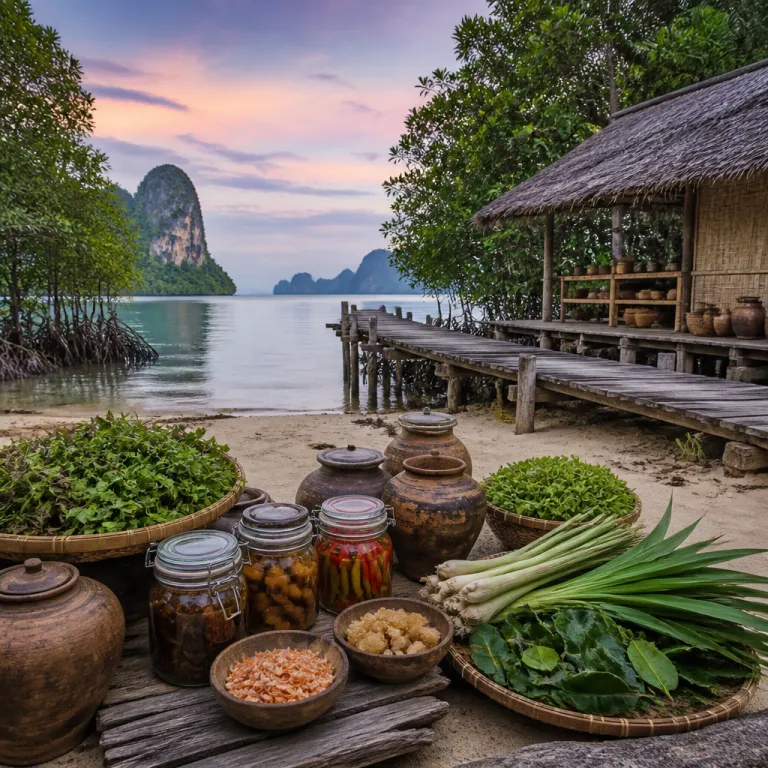
Why phuket chef fermentation southern thai fine dining now lives in hotel kitchens
Phuket, Thailand has long sold itself on sea views and poolside cocktails, yet the most interesting stories now unfold quietly in hotel kitchens. A new generation of Phuket chefs working with fermentation and southern Thai tasting menus is treating the Andaman Sea as a pantry, not a postcard, turning resort dining into a serious culinary destination. For business travelers extending a stay, this shift means that the most memorable Phuket fine dining experiences increasingly happen inside a restaurant attached to your suite rather than in a standalone venue in town.
Phuket’s designation as a UNESCO Creative City of Gastronomy in 2015 validated what locals already knew about southern Thailand; the island’s cuisine has always been deeper than pad thai and hotel buffets. Today, fermentation rooms, foraging guides, and seasonal ingredient calendars sit behind the scenes of many dining rooms, especially at luxury properties that court the Michelin Guide with ambitious multi course menus. When you browse a luxury booking website for a restaurant Phuket resort, pay close attention to how often the menus mention local ingredients, southern Thai food traditions, and techniques like aging, pickling, or coconut based fermentations.
For guests, this evolution changes how you plan dining in Phuket; you are no longer choosing between a generic hotel restaurant and a taxi ride into town. Instead, you are curating a sequence of dining experiences that might include a fermentation driven tasting menu one night, a southern Thai curry focused dinner the next, and a casual lunch of grilled seafood with ocean views and sunset dining on the final evening. The main SEO keyword phuket chef fermentation southern thai fine dining now points to a whole ecosystem of chefs, farms, and foragers working together to redefine what contemporary fine dining means in Phuket.
Inside the fermentation rooms: Hom, PRU, and the new Andaman larder
At Hom at InterContinental Phuket Resort, Executive Chef Ricardo Nunes leads a fermentation focused fine dining program that treats jars and crocks as seriously as most kitchens treat wine cellars. Here, the idea of a Phuket chef using fermentation within southern Thai fine dining is not marketing language but a daily practice, with controlled fermentations turning local ingredients into layered, savory accents. A typical tasting menu might weave coconut vinegar, aged fish sauces, and preserved sea vegetables through a series of small dishes that feel both southern Thai and quietly avant garde.
Guests often ask what fermentation in cooking really means, and the clearest answer comes from the team itself: “A process where microorganisms break down food components, enhancing flavor and preservation.” When you sit down for a tasting menu at this dining restaurant, you taste that definition in action, from tangy condiments to deeply savory broths that frame local seafood from the Andaman Sea. The result is a dining experience that feels unmistakably rooted in Phuket, yet polished enough to stand alongside any fine dining room in Asia listed in the Michelin Guide.
Across the island at PRU at Trisara, Phuket’s first Michelin starred restaurant and also a Michelin Green Star recipient, Chef Jimmy Ophorst pushes a “plant, raise, catch” philosophy that complements Hom’s lab like precision. While PRU is not solely about fermentation, its menus rely heavily on local ingredients, foraged herbs, and vegetables grown on the restaurant’s own Pru Jampa farm, creating another expression of fermentation driven southern Thai influenced fine dining in Phuket. For travelers booking a luxury stay, choosing a resort that hosts Hom, PRU, or similar chef led restaurants effectively builds a culinary itinerary into your room reservation, turning each dinner into a structured tasting of southern Thailand’s pantry.
From kapi to coconut vinegar: how southern thai flavors shape hotel menus
Southern Thai cuisine has always leaned into bold flavors, with shrimp paste, bird’s eye chilies, and coconut rich curries defining many traditional dishes. What changes in today’s Phuket chef led southern Thai fine dining scene is the way cooks refine those elements, using fermentation and precise technique to create tasting menus that feel both familiar and entirely new. Instead of softening the edges for international guests, they double down on intensity, then frame it with elegant plating and thoughtful pacing.
At high end dining restaurants such as Jaras at InterContinental Phuket Resort, you might encounter a tasting menu where kapi based relishes arrive as tiny, sculpted bites, paired with grilled fish from the Andaman Sea and vegetables pickled in coconut flower vinegar. These dishes respect the DNA of Thai food while translating it into a fine dining language that suits romantic dinners with ocean views and long business dinners alike. The same restaurant Phuket property may also offer à la carte menus for more casual dining, but the real narrative of Thai cuisine evolution plays out in the structured tasting menus.
Fermented curry pastes, aged fish sauces, and preserved sea greens now appear across Phuket dining, from resort restaurants to more experimental venues like The Smokaccia Laboratory led by Chef Luca Mascolo. His sustainable, mindful cuisine uses controlled experimentation to push the boundaries of what a dining experience in southern Thailand can be, sometimes pairing fermented grains with local ice cream or reimagining classic Thai dishes as multi course journeys. As Mascolo likes to tell guests, “If it grows or swims near Phuket, we try to understand it through fermentation before we cook it.” For travelers, this means that booking a hotel with a serious culinary program gives you front row access to the best of southern Thai inspired fine dining without ever leaving the property.
Hotel restaurants as the new tables to book in phuket
The most striking shift for luxury travelers is that the best meals in Phuket now often happen inside resort walls rather than in standalone city restaurants. Properties from Kamala to Mai Khao have invested heavily in destination dining rooms that can compete for Michelin Guide attention, hiring chefs who specialize in southern Thai tasting menus and giving them the tools to experiment. Fermentation labs, test kitchens, and dedicated foraging teams are no longer rare perks but core parts of a serious hotel’s culinary strategy.
For business leisure guests, this concentration of talent inside hotels simplifies logistics while raising expectations; you can schedule a sunset dining reservation at a restaurant Phuket resort immediately after a late afternoon meeting, then walk back to your suite in minutes. Many properties now design their menus around local ingredients from southern Thailand, offering tasting menus that trace a narrative from the Andaman Sea to inland farms and coconut groves. When evaluating options on a luxury booking platform, look for detailed menu descriptions that mention southern Thai cuisine, fermentation, and seasonal tasting menus rather than generic international food.
This focus on in house gastronomy also changes how service teams operate, as outlined in guides to staff excellence in luxury hotels such as those on stay in Phuket Region’s own resources about staff excellence in luxury and premium hotel booking websites in Phuket. Front office and concierge staff now act as culinary concierges, explaining the difference between a fermentation driven tasting menu at Hom, a southern Thai focused dinner at Jaras, and a more experimental evening at The Smokaccia Laboratory. For guests, this means that asking precise questions about Thai cuisine, local ingredients, and the structure of each dining experience can help you match the right restaurant to each night of your stay.
Designing a stay around phuket chef fermentation southern thai fine dining
Planning a trip around phuket chef fermentation southern thai fine dining starts with choosing the right base, ideally a resort that hosts at least one serious dining restaurant and sits within easy reach of others. Look for properties along Phuket’s west coast, where ocean views, sunset dining terraces, and access to Andaman Sea seafood create natural advantages for ambitious chefs. Once your room is booked, reserve tables well in advance, especially for tasting menus at Hom, PRU, Jaras, or other Michelin Guide mentioned venues.
A well structured itinerary might begin with a fermentation focused tasting menu at Hom, followed by a night of southern Thai food at Jaras, then an experimental evening at The Smokaccia Laboratory where Chef Luca Mascolo’s team plays with textures, ferments, and even savory ice cream. Between these dinners, explore local markets to see the ingredients that underpin Thai cuisine, from fresh coconut and herbs to dried seafood and chili pastes. Some hotels and restaurants also offer fermentation workshops, where guests can learn why foraging is important in modern cuisine; “It promotes sustainability and connects chefs with local ecosystems.”
For couples, many resorts will arrange romantic dinners on the beach, pairing fine dining menus with sunset views over the Andaman Sea and carefully curated wine pairings. Business travelers might prefer private rooms within the main dining restaurant, where tasting menus can double as discreet client entertainment while still showcasing the best of southern Thailand’s culinary innovation. However you structure it, treating dining in Phuket as a central part of your travel plan rather than an afterthought will reward you with a deeper, more textured understanding of the island.
How to read menus and talk to chefs like an insider
Once you are seated, the way you read a menu can transform your dining experience from pleasant to genuinely memorable. In the context of phuket chef fermentation southern thai fine dining, pay attention to how often the menu references specific local ingredients, fermentation techniques, and regional names from southern Thailand. A strong restaurant Phuket program will usually highlight the origin of seafood, the type of coconut used, and whether herbs were foraged or farmed.
Do not hesitate to ask your server or sommelier about the structure of the tasting menu, especially if multiple tasting menus are offered alongside à la carte dishes. Clarify whether the chef can adapt the menu for spice tolerance while still preserving the integrity of Thai food, and whether any dishes showcase signature ferments or foraged elements from the Andaman Sea coastline. In serious dining restaurants, these questions are welcomed, and the answers often reveal how deeply the kitchen is engaged with southern Thai cuisine rather than simply styling international food with local décor.
For guests who enjoy more interaction, some Phuket Thailand properties will arrange brief kitchen visits or chef meet and greets, particularly for repeat visitors or those booking private romantic dinners. These moments offer a chance to hear directly how a Phuket chef approaches fermentation, why certain dishes appear on the tasting menu, and how the team balances fine dining expectations with the soul of Thai cuisine. Over time, you will start to recognize patterns across dining in Phuket, from the way coconut and chili are layered to the growing presence of fermentation as a quiet, powerful backbone to the island’s most compelling menus.
FAQ
What is fermentation in cooking and why does it matter in Phuket?
Fermentation in cooking is a process where microorganisms break down food components, enhancing flavor and preservation, and it plays a central role in many southern Thai dishes. In Phuket’s fine dining restaurants, chefs use controlled fermentation to create complex sauces, pickles, and condiments that deepen the taste of seafood and vegetables. This approach allows hotel restaurants to offer tasting menus that feel both rooted in tradition and aligned with global fine dining standards.
How is southern Thai cuisine being redefined in hotel restaurants?
Southern Thai cuisine is being redefined by chefs who integrate traditional flavors with innovative techniques like fermentation and foraging. Instead of diluting heat and intensity for international guests, they refine textures, balance acidity, and present dishes in multi course tasting menus. Luxury hotel restaurants in Phuket now act as laboratories where classic curries, relishes, and coconut based dishes are reimagined for a contemporary fine dining audience.
Why are the best meals in Phuket often inside hotels now?
Many of the island’s most ambitious chefs work within resorts that can fund fermentation labs, farms, and foraging programs, giving them access to exceptional local ingredients. These hotels design dining experiences that target recognition from the Michelin Guide, which raises standards for technique, service, and menu design. For travelers, this means that booking the right property often guarantees access to some of the best dining in Phuket without leaving the resort.
How far in advance should I book tasting menus in Phuket?
For popular tasting menus at restaurants such as Hom, PRU, or Jaras, booking several weeks in advance is advisable, especially during peak travel seasons. Many luxury hotels allow you to reserve tables at the same time as your room, which is ideal for business travelers with fixed schedules. Last minute seats sometimes appear, but serious food focused itineraries benefit from early planning.
Can Phuket’s fine dining restaurants accommodate dietary restrictions?
Most high end dining restaurants in Phuket can adapt tasting menus for common dietary needs, including vegetarian, pescatarian, and certain allergies. However, because fermentation and fish based condiments are central to southern Thai cuisine, it is essential to communicate restrictions clearly when booking. Chefs can then design alternative dishes that respect both your requirements and the integrity of the overall dining experience.