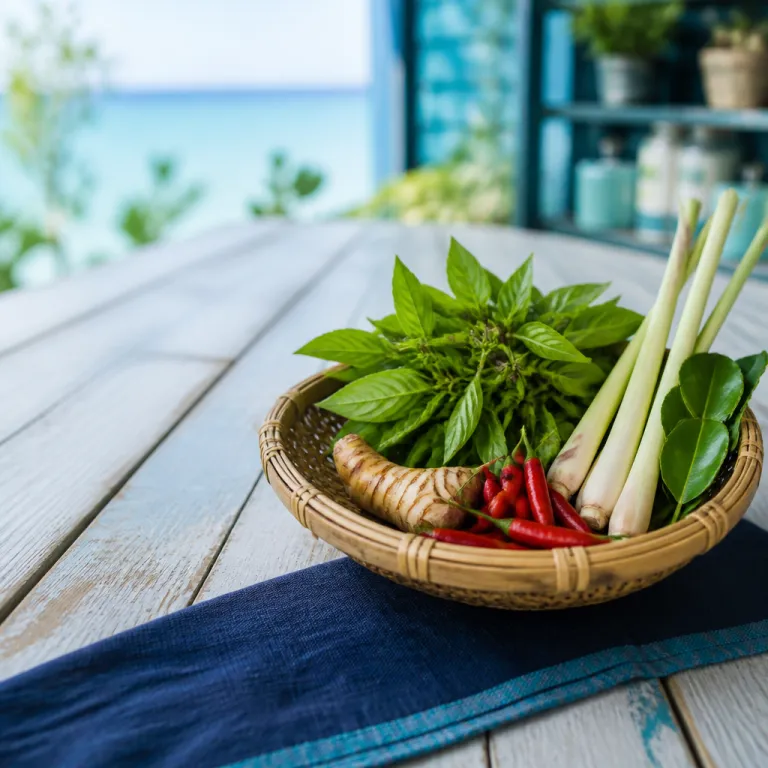
Why luxury travelers are booking a phuket cooking class market tour food experience
On Phuket’s luxury circuit, the most memorable meal often starts in the half lit aisles of a local market rather than under a chandelier. A carefully curated Phuket cooking class with a guided market tour lets you step away from the resort breakfast buffet and into the real rhythm of a Phuket morning, where hotel chefs and home cooks jostle for the same piles of herbs and still warm curry pastes. For solo travelers choosing a premium hotel in Phuket, this kind of hands on Thai cooking immersion turns a beautiful stay into a story you can cook again at home.
High end properties now treat Thai cooking as a core part of their guest programming, not a rainy day activity squeezed into spare Phuket hours between spa appointments. Many concierge teams will arrange a private or small group cooking class that begins with a guided market tour, followed by several hours at a partner cooking school or an on site kitchen studio. The best versions feel less like staged classes and more like being invited into a working kitchen, where you cook side by side with a chef who actually runs a restaurant service that night and can explain how the dishes you make compare to what appears on the evening menu.
When you compare options on a luxury booking website, look for language that emphasizes authentic Thai ingredients, small class sizes and flexible menus you can choose from. A strong Phuket cooking offer will mention both morning and afternoon class slots, with clear details on how many hours you will spend in the market and how many dishes you will cook. If a property highlights partnerships with respected names such as Kata Thai Cooking, Arun Thai Cooking, Phuket Thai Cooking Academy or the Blue Elephant cooking class Phuket, you are usually in expert hands and can cross check recent guest reviews to confirm that the experience matches the promise. As of early 2024, many of these schools advertise half day group classes in the 1,500–2,500 THB range per person, with hotel pickup typically scheduled between 8:00 and 9:00 a.m. for morning sessions.
Morning markets in phuket: where serious classes actually shop
The difference between a tourist market and a chef’s market in Phuket is obvious the moment you step out of the car. In the tourist focused class market, you will see pre packed spice sets and laminated cards explaining generic Thai food, while serious cooking classes head to places where the air smells of grilled chicken and turmeric and the vendors know your instructor by name. For a Phuket cooking class and market tour that feels genuinely local, insist that your hotel or cooking school takes you to a market where restaurant buyers actually queue before daybreak and where your guide can introduce you to long standing stallholders.
At these markets, your guide will walk you through the foundations of southern Thai cuisine, from fresh turmeric root and bird’s eye chilies to riang leaves and the infamous stink beans known as sataw. You might watch a vendor pounding yellow curry paste for a future curry chicken, or see baskets of blue tinged butterfly pea flowers that later tint rice in some Phuket Thai kitchens. This is where the phrase authentic Thai stops being a marketing line and becomes a sensory class in how Thai cooking really works, ingredient by ingredient, with plenty of chances to taste snacks and ask questions about regional variations.
Luxury hotels that take gastronomy seriously often outsource this part to specialist partners, then bring you back to the resort for a refined cooking class in air conditioned comfort. Others send you directly to a dedicated cooking school such as Phuket Thai Cooking Academy, where you can choose a half day class with a market tour in the morning and an afternoon class focused on technique. Recent guest reviews on major travel platforms frequently mention punctual pickups, friendly English speaking guides and the chance to taste unusual fruits at the market before heading back to cook. If you are already planning fine dining in Phuket at night, pairing it with a morning market walk gives you a rare before and after view of the same ingredients, from plastic basket to plated artwork, and helps you recognize those flavors when they reappear at dinner.
Inside resort kitchens: how luxury hotels curate cooking classes
Not every resort cooking class in Phuket is created equal, and the gap between a token demonstration and a serious Phuket cooking curriculum can be wide. Some luxury properties still offer a quick one dish session by the pool, where you mostly watch a chef cook Pad Thai while sipping a welcome drink. Others have invested in full scale cooking schools with dedicated classrooms, mirrored hoods and individual stations where you spend several hours working with knives, woks and pestles under close supervision.
When you browse a premium booking platform, study how each hotel describes its Thai cooking classes and how often they run them. A property that lists specific dishes such as green curry, tom yum soup or curry chicken, and mentions that guests can choose menu combinations for a day class, usually takes the program seriously. Look for details like maximum class size, whether the chef is a full time instructor or borrowed from the main restaurant brigade, and whether vegetarian and vegan options are integrated rather than treated as an afterthought, since this signals how much thought has gone into the overall culinary concept.
Some of the most respected programs partner with external specialists, sending guests to a class Phuket at Kata Thai Cooking or Arun Thai Cooking, then bringing them back with recipes and new skills. Others, such as the historic Blue Elephant cooking school housed in a Sino Portuguese mansion, blend heritage architecture with a structured series of cooking classes that include a market tour and a multi course menu. According to recent traveler comments, guests often highlight the chance to cook in small groups of eight to ten people and appreciate that instructors adjust spice levels dish by dish. If you are already comparing exclusive luxury hotel deals in Phuket for an unforgettable stay, factor in whether the property offers free pick up for these classes, how long each session lasts in hours and whether you can book a private lesson tailored to your level, from complete beginner to confident home cook.
From kitchen gardens to wellness: cooking where ingredients grow
Across the Phuket region, wellness oriented resorts are quietly reshaping what a Phuket cooking class market tour food experience can be. Instead of starting in a crowded market, some programs begin in a kitchen garden carved into a hillside or tucked behind a line of casuarina trees, where guests walk barefoot between raised beds of lemongrass, kaffir lime and holy basil. Here, the line between spa and kitchen blurs, and the same turmeric root that stains your curry paste might also appear in a post class body scrub or herbal compress.
These properties often frame Thai cooking as part of a broader longevity journey, pairing morning cooking classes with nutrition consultations or plant based tasting menus. Guests might pick herbs with a gardener, then move into an open air pavilion to cook a light Phuket Thai lunch built around vegetables, grilled fish and rice rather than heavy fried dishes. For solo travelers, this slower half day rhythm offers a welcome counterpoint to the island’s faster nightlife, and it attracts those who would rather spend their Phuket hours learning to cook than chasing another cocktail or beach bar.
Many of the same hotels are also investing in science led wellness programs, where culinary teams work closely with in house doctors and nutritionists. If that intersection of medicine and menu design interests you, it is worth reading about Phuket’s pivot to science led wellness before you choose your stay. In these environments, a cooking class becomes a laboratory for understanding how Thai food can support sleep, gut health and recovery, not just a pleasant way to pass an afternoon class with a glass of wine in hand, and chefs are often happy to explain how they adapt traditional recipes to modern health goals.
Designing your ideal day: how to choose the right class and tour
Planning a Phuket cooking class market tour food experience from a luxury hotel room is easier when you break the day into clear segments. Start by deciding whether you want a half day or full day class, and whether a morning market tour or a later afternoon class better suits your energy and beach plans. Solo travelers often prefer a half day format that runs three to four hours, leaving time for the pool, a massage or a sunset cruise on the same day.
Next, look closely at menus and how much freedom you have to choose dishes. Strong programs will let you choose menu combinations that reflect your tastes, whether that means focusing on seafood, dialing up the spice level or ensuring vegetarian versions of classic Thai cuisine favorites. If you love chicken, for example, you might cook a green curry chicken, a stir fried basil chicken and a fragrant soup, while your classmates explore tofu or prawn based Thai food alternatives at the same cooking school, so everyone finishes with a personalized but coherent menu.
Practicalities matter as much as romance, especially when you are booking through a premium platform that promises seamless service. Check whether free pick up and drop off from your hotel is included, how many participants share each instructor and whether the class provides aprons, recipe booklets and certificates. Remember that “Classes typically last 3-4 hours.” and that “Typical class size” is around “10 participants”, which strikes a balance between social interaction and enough hands on time at the stove, and ask in advance if children or non cooking companions can join the eating portion only.
What you take home: skills, recipes and a new way to eat thai food
The real luxury of a Phuket cooking class market tour food experience is not the welcome drink or the polished kitchen, but the confidence you carry back to your own stove. After a few cooking classes, you will know how to balance sweet palm sugar against lime, how to coax fragrance from bruised lemongrass and how to cook jasmine rice so each grain stays distinct. For many solo travelers, that sense of mastery lingers longer than any infinity pool memory and becomes a quiet reminder of the trip every time they cook.
Because these programs are built around hands on learning, you will chop, pound and stir rather than simply watch a chef cook. Over the course of a day class or a shorter half day session, you might prepare a full menu of Thai cooking staples, from a bright salad and a curry chicken to a blue rice dessert tinted with butterfly pea flowers. The repetition of tasting, adjusting and tasting again trains your palate in a way that even the best restaurant meal cannot match, and many schools send you home with printed recipes or digital files so you can repeat the dishes.
Back home, the recipes and techniques from your chosen class Phuket become a way to extend the trip, whether you are cooking for friends or recreating a quiet solo lunch. You will remember the market tour when you see unfamiliar herbs, and you may find yourself seeking out an Asian grocer with the same curiosity you once brought to a Phuket market at dawn. For travelers who measure value not just in room size but in life skills gained, this is where a luxury stay in Phuket proves its worth long after checkout and turns a short holiday into a lasting change in how you cook and eat.
FAQ
Are phuket cooking classes suitable for complete beginners ?
Most reputable cooking schools in Phuket design their classes for all skill levels, including absolute beginners. Instructors demonstrate each step slowly, then guide you as you cook your own dishes with close supervision. Group sizes are typically small, so you can ask questions and get individual feedback throughout the session, and many providers explicitly label beginner friendly options on their schedules.
What dishes are commonly taught in phuket thai cooking schools ?
According to local providers, “Popular dishes include Pad Thai, Green Curry, and Tom Yum Soup.” Many programs also include a curry chicken, a stir fried vegetable dish and at least one dessert, giving you a balanced view of Thai cuisine. Higher end classes sometimes let you customize the menu, especially in private or hotel based sessions, and may offer regional specialties such as southern style curries or coconut based soups.
How long does a typical phuket cooking class and market tour last ?
Combined market tour and cooking class experiences in Phuket usually run between three and four hours. The first hour is often spent at the market, with the remaining time dedicated to hands on cooking and then eating what you have prepared. Some schools offer extended day class formats, but the standard half day structure suits most travelers’ schedules and fits comfortably around beach time or spa appointments.
Can vegetarian or vegan guests join thai cooking classes in phuket ?
Yes, many Phuket cooking schools and hotel programs welcome vegetarian and vegan guests. Instructors substitute tofu or vegetables for meat and fish sauce, and they adjust curry pastes or stir fry sauces to keep them plant based. It is important to inform the school or your hotel concierge about dietary needs when you book, so ingredients can be prepared in advance and cross contamination can be minimized.
Should I book a cooking class through my hotel or directly with a school ?
Booking through a luxury hotel offers convenience, bundled transfers and sometimes exclusive class times, which suits travelers who value seamless service. Reserving directly with a dedicated cooking school can provide more choice of schedules, menus and price points, especially if you want a specific market tour. Either way, checking recent guest reviews and confirming details such as class size, language and inclusions will help you choose the right experience and avoid last minute surprises.