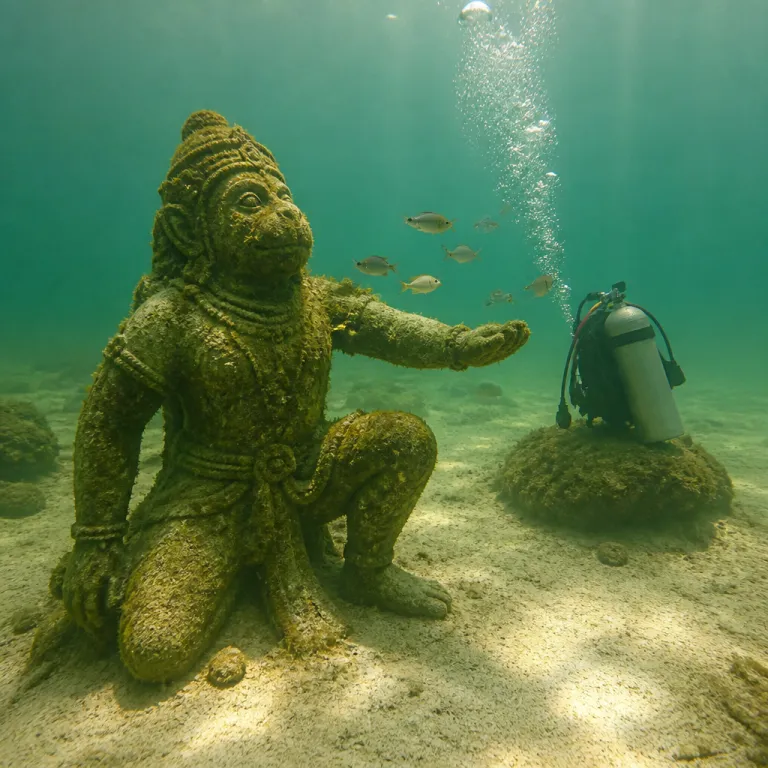
Why Racha Yai’s underwater Ramayana belongs on a luxury Phuket itinerary
Phuket has no shortage of polished infinity pools, but the most compelling luxury right now lies beneath the surface at Racha Yai. The new phuket underwater sculpture diving racha yai experience turns a quiet corner of Siam Bay into a cultural reef, where 73 Hanuman figures and reef structures sit between 12 and 19 metres, reshaping how discerning travellers think about marine art. For guests choosing a premium hotel on the island, this underwater Ramayana offers a rare blend of Thai mythology, marine science and low key adventure that pairs beautifully with high end stays in town or on quieter beaches.
The Hanuman Sculpture Garden is part of the first phase of the RAYA Underwater Art Museum project, a collaboration between Rotary International Districts 3330 in Thailand and 3600 in South Korea, the Department of Marine and Coastal Resources and the Phuket Art Association. Officially described as “An underwater installation of Hanuman-themed sculptures off Koh Racha Yai.”, it was conceived to restore marine ecosystems, promote eco tourism and reduce pressure on natural coral reefs that ring Racha Yai island. For travellers who already know the limestone drama of nearby Phi islands or the mangrove edged bays of Phang Nga, this project adds a more cerebral, almost gallery like counterpoint to the usual island hopping circuit.
Staying in Phuket town or near Chalong pier, you are within easy reach of the local dive operators who run day trips to Racha Yai. Many luxury resorts now weave the phuket underwater sculpture diving racha yai site into curated marine life itineraries, pairing morning dives with slow afternoons on west coast beaches or private yacht charters into Phang Nga Bay. For solo explorers, the appeal is clear ; you can wake in a high floor suite above the town’s Sino Portuguese streets, then spend the day finning past coral encrusted Hanuman guardians while schools of fish thread between their arms.
The art and science of the Hanuman reef: how the sculptures work underwater
At Siam Bay on Racha Yai island, the phuket underwater sculpture diving racha yai site is laid out with the precision of a land based sculpture park. Forty seven Hanuman themed pieces, fifteen 3D printed fence elements and eleven artificial coral reef units form a loose grid on the sandy seabed, leaving swim through corridors where marine life can move freely. The structures are cast in marine grade cement, a material chosen by the project équipe to withstand currents while offering a textured surface where coral larvae can attach and begin their slow work of reef building.
The Department of Marine and Coastal Resources oversaw the installation methods, ensuring each unit was lowered with minimal impact on existing coral patches and seagrass life. Their environmental brief was clear ; create new habitat for fish and invertebrates, enhance long term marine life diversity and give local dive operators an alternative focus so that natural reefs around Racha and Phi islands can rest. In the early months, divers reported damselfish, rabbitfish and juvenile groupers already using the sculptures as shelter, a promising sign that the project’s ecological objectives are aligning with its artistic ambitions.
For travellers, the science behind the phuket underwater sculpture diving racha yai site matters because it shapes how you experience the dive. You are not simply visiting an underwater gallery ; you are watching a living installation where coral polyps, sponges and algae will slowly soften the hard edges of Hanuman’s form over the coming years. Those staying at eco minded properties in Phang Nga or on quieter yai island retreats such as the Koh Yao archipelago, explored in our guide to serene island luxury between Phuket and Krabi, will recognise the same conservation forward thinking at work here.
Planning your dive day from Phuket: logistics, conditions and who should go
Most phuket underwater sculpture diving racha yai trips begin at Chalong pier, the island’s main departure point for local dive boats. From here, it is roughly 90 minutes by standard dive vessel to Siam Bay on Racha Yai, or less if your hotel arranges a private speedboat charter as part of a tailored marine life itinerary. Luxury properties in Kata, Karon and along the southern beaches often work with a preferred local dive centre, so transfers, gear and guides are bundled seamlessly into your day.
The Hanuman Sculpture Garden sits between 12 and 19 metres, which makes the site accessible to Open Water certified divers who are comfortable with basic buoyancy control. Official guidance notes that “Best diving conditions from November to April.”, when seas are calmer and visibility often stretches beyond 20 metres, though shoulder season days can still be rewarding if you check marine forecasts carefully. If you are new to diving, many operators offer a supervised introductory dive at Racha Yai, allowing you to experience the sculptures under close instructor control before committing to further training.
Solo travellers choosing a refined island stay will find that the phuket underwater sculpture diving racha yai experience fits naturally into a three or four day itinerary. One day might be dedicated to the Hanuman reef and nearby coral gardens, another to a slower cruise into Phang Nga Bay, while evenings are reserved for the kind of understated hotel luxury we highlight in our elegant guide to refined island stays. If you prefer to base yourself in Phuket town for its galleries and night markets, most operators will still collect you en route to Chalong, keeping logistics simple and time efficient.
Choosing the right luxury base: from Phuket town to Phang Nga’s quiet bays
Where you sleep shapes how you experience the phuket underwater sculpture diving racha yai site, especially if you value both comfort and character. Staying in Phuket town puts you close to the island’s creative energy, with restored Sino Portuguese mansions, Thai cafés and small galleries echoing the cultural ambition of the underwater Ramayana. From here, early transfers to Chalong are short, leaving you back in town by late afternoon for rooftop cocktails and a quiet review of your dive log.
On the west coast, high end resorts along Kata, Karon and Nai Harn beaches offer a more classic island rhythm, with longtail boats sliding past at dawn and the Andaman glowing pink at sunset. Many of these properties now weave phuket underwater sculpture diving racha yai into their concierge playbooks, pairing it with spa time, private yoga or a sunset cruise into Phang Nga for guests who want a balanced day. Families or multigenerational groups can look to our guide on Phuket hotels built for every generation, then layer the Hanuman reef onto an itinerary that already includes kayaks, kids’ clubs and serious Thai massage.
If you prefer a more secluded base, consider a villa or low rise resort in Phang Nga province, where karst islands rise straight from the bay and night skies remain dark. From these quieter enclaves, your phuket underwater sculpture diving racha yai excursion becomes a focused day trip, framed by mangrove kayaking or visits to local fishing communities that still define coastal life. Wherever you stay, ask your concierge to connect you with a reputable local dive operator who understands both the technical aspects of the site and the cultural story behind the Ramayana themed project.
Reading the Ramayana underwater: culture, conservation and what to watch for
Descending onto the phuket underwater sculpture diving racha yai site, the first impression is theatrical rather than purely ecological. Hanuman figures kneel, leap and stand guard across the sandy floor of Siam Bay, their poses drawn from the Thai Ramakien, a local adaptation of the Indian Ramayana epic that still shapes temple murals from Phuket town to Bangkok. Future phases of the project plan to add Phra Ram, Thotsakan and Suvannamaccha, turning this corner of Racha Yai into a full cast underwater stage where myth and marine life share the same saltwater air.
As you move slowly between the sculptures, pay attention to the small details that signal the reef’s progress. Tiny coral colonies begin to crust the marine grade cement, feather duster worms extend from crevices and clouds of juvenile fish pulse in and out of Hanuman’s shadow, all signs that the project is delivering on its promise to create new marine life habitat. Local dive guides, many of whom grew up in Chalong or on nearby islands, will often point out how this artificial reef helps ease pressure on natural coral gardens at Racha and Phi, a nuance that rarely makes it into brief phuket news updates.
For luxury travellers, the deeper reward of the phuket underwater sculpture diving racha yai experience lies in this layering of narratives. You are not only logging another Andaman dive ; you are participating in a carefully planned project where Rotary International districts, Thai artists and government marine scientists have aligned around a shared vision for the bay. On the surface, your hotel may offer all the expected comforts, but it is this kind of thoughtful, place specific encounter that will stay with you long after the last grains of sand have been rinsed from your gear.
FAQ
What exactly is the Hanuman Sculpture Garden at Racha Yai ?
The Hanuman Sculpture Garden at Racha Yai is a planned underwater art museum’s first phase, located in Siam Bay off the southeast of Phuket. It consists of 73 marine grade cement structures, including 47 Hanuman themed sculptures, 3D printed fence elements and artificial coral reef units placed between 12 and 19 metres. The site was created to provide new habitat for marine life, support eco tourism and offer divers a culturally rich alternative to natural reefs.
Is the site suitable for beginner divers or only for experts ?
The depth range of 12 to 19 metres makes the phuket underwater sculpture diving racha yai site accessible to Open Water certified divers with basic skills. Many local dive centres also run closely supervised introductory dives here, so confident beginners can experience the sculptures under instructor control. Strong buoyancy and good finning technique are important, because careful movement helps protect both the developing coral and the visibility for other divers.
When are the best conditions to dive the Hanuman sculptures ?
Sea and visibility conditions around Racha Yai are generally most stable during the dry northeast monsoon, roughly from November to April. During this period, divers often enjoy calmer surface conditions and clearer water, which suits both photography and relaxed exploration of the sculptures. Outside these months, trips still run on suitable days, but you should check forecasts with your chosen local dive operator and be prepared for more variable seas.
How do I reach Racha Yai from my hotel in Phuket ?
Most divers travel to Racha Yai on day boats departing from Chalong pier in southern Phuket, with journey times of around 90 minutes by standard dive vessel. Luxury hotels in Phuket town and along the west coast beaches usually arrange transfers to the pier and can book you onto reputable local dive boats or private charters. If you are staying farther north towards Phang Nga, your concierge can coordinate earlier transfers so you still join the same departures.
Has the underwater sculpture site been affected by weather or damage ?
The Andaman Sea is exposed to seasonal monsoon systems, and strong weather can affect underwater installations. Project partners have acknowledged that some damage occurred to elements of the Hanuman reef during a monsoon period after installation, and monitoring continues to guide any necessary maintenance. When you book, ask your dive operator for the latest briefing on site conditions so you know which parts of the sculpture garden are currently in the best shape.