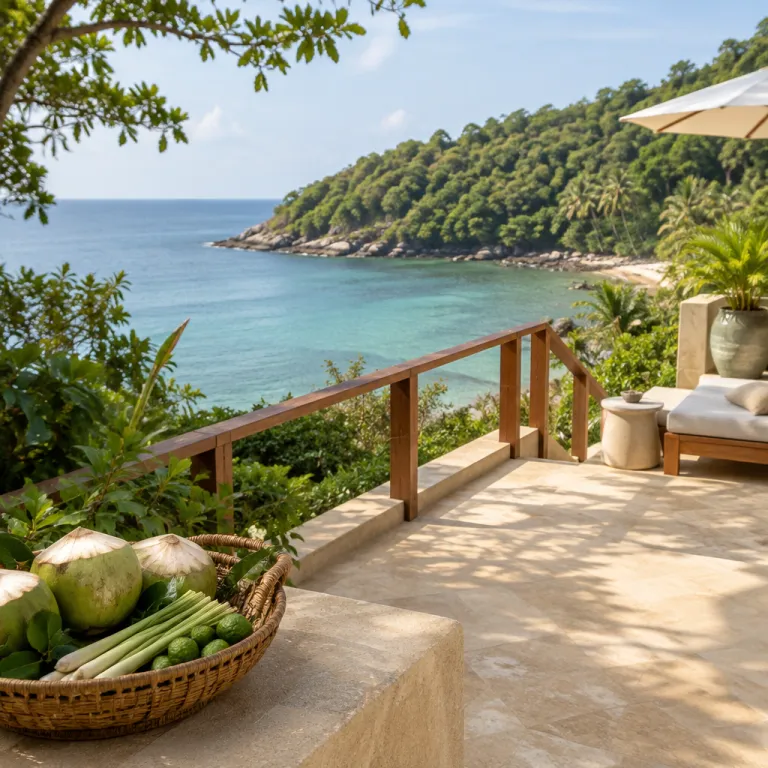
How Phuket’s seasons shape luxury travel and hidden escapes
The best time to visit the Thailand Phuket region depends on how you balance sunshine, privacy, and value. On this island in southern Thailand, each part of the year reshapes the atmosphere in luxury resorts, the character of hidden bays, and the rhythm of local life. Understanding the weather, the southwest monsoon, and the festival calendar will help you choose the right month and the right coast for your stay.
Phuket’s climate follows three main seasons that repeat each year. The Thailand Meteorological Department (TMD) reports a broadly dry period from roughly November to April, a rainy season from May to October, and a short hot season overlapping the transition. Long-term climate normals from TMD and international datasets such as NOAA and WMO show that December–March are the driest months, while September and October record the highest rainfall totals. During the dry months, especially from late December to February, the west coast enjoys calmer seas, lower humidity, and some of the best conditions for water activities along Thailand beaches. In contrast, the wet season brings heavier showers, but also the lowest hotel rates, greener hillsides, and quieter days in even the most exclusive properties.
For many travelers planning a high-end escape, the perceived ideal period is when the monsoon is weakest and sea conditions are gentle. That usually means choosing a month such as January or February, when average daytime temperatures stay warm but the air feels less heavy and the chance of long wet spells is reduced. If you are flexible with your dates and budget, the shoulder months on either side of peak season can be the best Thailand compromise between price, privacy, and reliable weather.
Dry months, peak season, and the art of timing your stay
For classic blue-sky holidays, many guests consider the best time to visit Phuket to be the core dry months from December through March. According to TMD and NOAA climate summaries, average rainfall in January and February typically stays below 50–60 mm, compared with more than 300 mm in September, and average highs hover around 31–32 °C. During this period, west coast beaches such as Surin, Kamala, and Kata usually offer clear water, gentle waves, and ideal conditions for yacht charters, snorkeling, and other water activities. Average high temperatures in March often climb into the mid-30s °C, so luxury hotels respond with shaded pool cabanas, chilled towels, and late-afternoon spa rituals.
Peak season brings the highest nightly rates of the year, but also the most polished service and the fullest range of experiences. Tourism and hotel occupancy data for Phuket indicate that December–February often run at 80–90% occupancy in upscale properties, and nightly prices can sit 30–50% higher than in the wettest months. Suites overlooking Thailand beaches are often booked many months ahead, especially around the Chinese New Year holidays when regional demand surges and families extend their stay to ten days or more. If you plan to visit Phuket during this peak season window, reserve early and consider flexible arrival days within the month to secure the best rooms and the lowest possible premium for your category.
These dry months are also perfect if you want to combine a resort stay with elegant excursions to viewpoints, temples, and marine parks. To plan the best things to do in Phuket Thailand around your hotel base, many travelers use curated guides such as this overview of elegant ways to enjoy the best things to do at Phuket. A typical one-week dry-season itinerary might include a private Phang Nga Bay cruise, a sunset visit to Big Buddha, and a chef’s-table dinner on the sand. When you align your visit with the dry season, you reduce the risk that wet afternoons or sudden monsoon showers will disrupt private yacht charters, helicopter flights, or long-table dinners on the beach.
Green season, monsoon rhythms, and luxury for fewer guests
From May to October, Phuket shifts into its rainy season, also called the wet season or monsoon season, and this is when many luxury travelers quietly secure exceptional value. During these months, short but intense showers sweep across the west coast, yet there are still many bright days and long dry spells between the wet bursts. TMD and WMO climate normals show that monthly rainfall often rises above 250–300 mm from May onward, peaking around September, while average highs remain close to 30–31 °C. For guests who enjoy tranquil resorts, lush hillsides, and the lowest nightly rates of the year, this can be the Thailand best kept secret.
Rainfall typically peaks around September, and climate summaries indicate more rainy days in that month than at any other time of year, which is why some visitors avoid this period if they dislike heavy downpours and rough seas. However, for others, September is the September best choice because suites with private pools, spa packages, and chauffeured transfers become more accessible, while the island’s hidden gems feel almost private. In many five-star resorts, rates in the core monsoon months can drop 25–40% below high-season levels, and last-minute upgrades become more common. When you visit Thailand during this green season, you will often find that staff have more time for tailored experiences, from private cooking classes to bespoke island hopping on days when the weather is calmer.
Families and couples who prefer a structured framework for choosing their luxury base in any season often turn to resources such as this detailed hotel guide for the Phuket region. This type of guide helps you match your preferred month, your tolerance for wet days, and your desired access to hidden coves or cultural quarters. If you are comfortable with some rainy afternoons, the monsoon months can be the best time to secure ocean-view suites that would be unattainable during peak season.
Festival calendar, cultural seasons, and when Phuket feels most alive
Weather is only half the story when you plan the best time to visit Thailand Phuket, because the festival calendar transforms the island’s mood. The Loy Krathong celebration usually falls in November, at the tail end of the wet season, when locals float candlelit offerings on lagoons and hotel pools, creating a serene, luminous atmosphere. Around this time, the monsoon weakens, the air cools slightly, and many luxury properties design special evenings that blend Thai fine dining with riverside or beachfront ceremonies.
Another defining moment of the year is the Phuket Vegetarian Festival, a nine-day event that takes place around the start of the Chinese lunar cycle, though its exact timing shifts by month. During this vegetarian festival, shrines across Phuket Town and nearby districts host processions, and many restaurants offer dedicated Phuket vegetarian menus that appeal to wellness-focused travelers. If you stay in a premium hotel near the old town during these days, you will be close to the most intense rituals while still retreating to calm, air-conditioned suites when the temperatures and crowds rise.
Later in the dry season, Songkran and other regional events bring water-themed celebrations that interact with the already hot season weather. Guests who enjoy vibrant street life and cultural immersion often time visit plans to coincide with these festivals, accepting higher temperatures and busier streets as part of the experience. A simple cultural-focused itinerary might pair a few nights in a beachfront resort with two or three nights in a heritage-style hotel near Phuket Old Town to balance festival energy with quiet luxury. When you align your chosen month with a festival that matters to you, the island’s luxury scene feels less like a backdrop and more like a stage for meaningful memories that last year round.
Hidden gems by coast and by month for luxury seekers
Choosing the best time to visit Thailand Phuket also means matching specific coasts and hidden places to the right season. On the west coast, small bays such as Laem Singh, Ao Sane, and the headlands near Nai Thon feel particularly exclusive during the dry months, when the sea is calm and the sunsets are clear. These are the days when private catamarans anchor offshore, and guests step directly from the sand into long-tail boats for discreet transfers back to their suites.
During the wet season, the character of these same coves changes, and some water activities pause when the monsoon swells become too strong. At this time, the east coast and Phang Nga Bay often offer more sheltered conditions, so luxury travelers shift their focus to limestone islets, mangrove channels, and floating seafood restaurants. If you visit Phuket in a month such as October, you may experience a mix of wet afternoons and luminous mornings, which can be the best Thailand balance for photographers and couples seeking dramatic skies.
For beachfront luxury that works across many months of the year, high-end resorts along the west coast adapt their services to each season. Properties such as those featured in curated collections of beachfront luxury stays in the Andaman Sea typically adjust dining venues, spa schedules, and activity programs according to the prevailing weather. A three-night stay in the dry season might revolve around sunrise yoga, mid-morning snorkeling, and sunset cocktails, while the same resort in August could emphasize long breakfasts, spa journeys, and chef-led market tours. When you understand how each season will shape access to hidden viewpoints, quiet stretches of Thailand beaches, and offshore reefs, you can choose the time visit that aligns with your personal definition of Thailand best.
Practical planning: temperatures, budgets, and stay length by season
From a practical perspective, the best time to visit Thailand Phuket depends on how you weigh temperatures, rainfall, and budget. Average daytime temperatures remain warm year round, usually in the low to mid-30s °C, but humidity and the number of wet days vary sharply between months. TMD and NOAA data indicate that January and February often record around 5–7 rainy days and less than 60 mm of rain, while September can exceed 20 rainy days and 350 mm. In January and February, this lower rainfall means more predictable beach time and smoother boat transfers, while April marks the start of the hot season with higher humidity and occasional thunderstorms.
Luxury and premium hotels adjust their pricing and minimum stay policies according to these seasonal patterns. During peak season, many properties require a minimum of three to five nights, especially for suites with private pools or direct beach access, and the best categories may sell out many months in advance. In contrast, during the rainy season and particularly in the core monsoon months, you will often find flexible check-in days, complimentary upgrades, and value-added inclusions such as spa credits or private airport transfers. In some resorts, entry-level suites that might cost significantly more in January can be 20–40% cheaper in June or September, especially for stays of a week or longer.
When planning how many days to visit Thailand, consider at least five to seven nights if you want to combine resort relaxation with exploration of hidden gems. This allows for one or two fully wet days without compromising your overall experience, especially if you schedule indoor spa rituals, cooking classes, or tasting menus on those afternoons. Travelers who want a deeper immersion often plan ten-night stays, splitting time between a west-coast beachfront resort and a quieter hillside retreat. By aligning your stay length with the likely weather of your chosen month, you transform the monsoon season from a risk into a rhythm that your itinerary gracefully absorbs.
Expert guidance and data driven timing for Phuket stays
Reliable climate data from sources such as the Thailand Meteorological Department and international agencies help refine your sense of the best time to visit Thailand Phuket beyond general impressions. Long-term records show that the early months of the year are consistently drier than the late monsoon period, while September and October tend to record the highest number of rainy days, which explains why many travelers avoid those weeks if they dislike frequent showers. These figures, combined with hotel occupancy trends, confirm that the driest months align with the highest demand and the highest prices.
Local authorities and meteorological services provide the backbone of trustworthy planning information. The Thailand Meteorological Department, as the official weather data provider, reports on island climate and monsoon timings, while international datasets such as NOAA and WMO climate normals refine expectations for specific months. Travel professionals then translate these climate insights into clear advice such as “Visit December–March for best weather”, “January and February driest and calmest”, “May–October cheaper but very wet”, “September extreme rain and rough seas”, “April hot and humid”, and “Book ahead for peak season (Dec–Jan)”.
For luxury travelers, the most effective strategy is to combine this data with personal priorities. If your ideal time visit means flawless sunsets and calm seas, focus on the core dry months and accept peak season pricing as the cost of certainty. If your best time is defined by privacy, value, and the pleasure of watching storms roll across the Andaman from a deep bathtub, then the fringes of the wet season may be your Thailand best choice.
Key figures for timing a Phuket luxury escape
- Average high temperatures in March often reach the mid-30s °C in Phuket, according to NOAA and WMO climate normals, which makes shaded pools and air-conditioned suites essential for comfort during the late dry and early hot season.
- Rainfall in February is relatively low based on long-term NOAA and WMO climate data, typically under 50–60 mm, illustrating why many travelers regard this month as one of the best time windows for calm seas and clear skies.
- The wettest month, typically September, records the highest number of rainy days in climate normals and can exceed 350 mm of rain, which supports the advice to avoid this period if you strongly dislike frequent showers and rough sea conditions.
- Tourism and hotel occupancy data show that peak season in Phuket usually runs from December to February, aligning with the driest weather and explaining why luxury suites on the west coast command the highest nightly rates during these months.
- Industry observers note that green season deals have grown in recent years, as more travelers accept some rainy days in exchange for lower prices, quieter resorts, and easier access to hidden coves and cultural quarters.
FAQ about the best time to visit Phuket for luxury stays
Is November a good month to visit Phuket for a luxury holiday ?
November is a transitional month when the monsoon season usually weakens, rainfall decreases, and the first stable sunny days appear, so it can be an excellent compromise between lower prices and improving weather. TMD and NOAA data show that average rainfall drops from September–October peaks to roughly 150–200 mm in November, and the number of rainy days falls accordingly. Resorts often still offer shoulder-season rates, yet many water activities resume on the west coast as sea conditions calm. If you enjoy fewer crowds and do not mind occasional showers, this month works very well.
Can I enjoy beach and pool time in April in Phuket ?
Yes, you can comfortably swim in April, both in the sea and in resort pools, although the hot season brings higher humidity and more intense sunshine. Short thunderstorms may occur in the late afternoon, but most days still offer long sunny periods suitable for Thailand beaches and yacht charters. Climate normals from TMD and WMO indicate average highs around 33–34 °C in April, so luxury hotels respond with early-morning excursions, shaded cabanas, and extended spa hours to help guests manage the heat.
Should I avoid Phuket in September because of the rain ?
Many travelers choose to avoid September because it is typically the wettest month, with frequent showers and rougher seas that can disrupt boat trips and some water activities. TMD and NOAA records often show more than 20 rainy days and over 350 mm of rainfall in September, so you should expect changeable conditions. However, if you value quiet resorts, dramatic skies, and the lowest rates of the year, this period can still appeal, provided you plan more indoor experiences. Guests who visit during this month often focus on spa treatments, gastronomy, and cultural excursions rather than full days on the beach.
How many days should I plan for a luxury stay in Phuket ?
A stay of at least five to seven days is ideal if you want to balance resort relaxation with exploration of hidden bays, viewpoints, and old town streets. This duration allows for one or two fully wet days in the rainy season without compromising your overall experience. For more in-depth itineraries that include yacht charters and regional excursions, many luxury travelers extend their visit to ten days or more, sometimes splitting time between two contrasting coasts or resort styles.
Is it possible to enjoy Phuket year round in a premium hotel ?
Yes, Phuket’s luxury and premium hotels operate year round, adapting their services and pricing to each season so that guests can enjoy the island in every month. During the dry season, the focus is on beach life and marine excursions, while the wet season emphasizes wellness, gastronomy, and cultural immersion. By aligning your expectations with the likely weather of your chosen month, and using climate data from TMD, NOAA, or WMO as a guide, you can enjoy a rewarding stay at any time of the year.