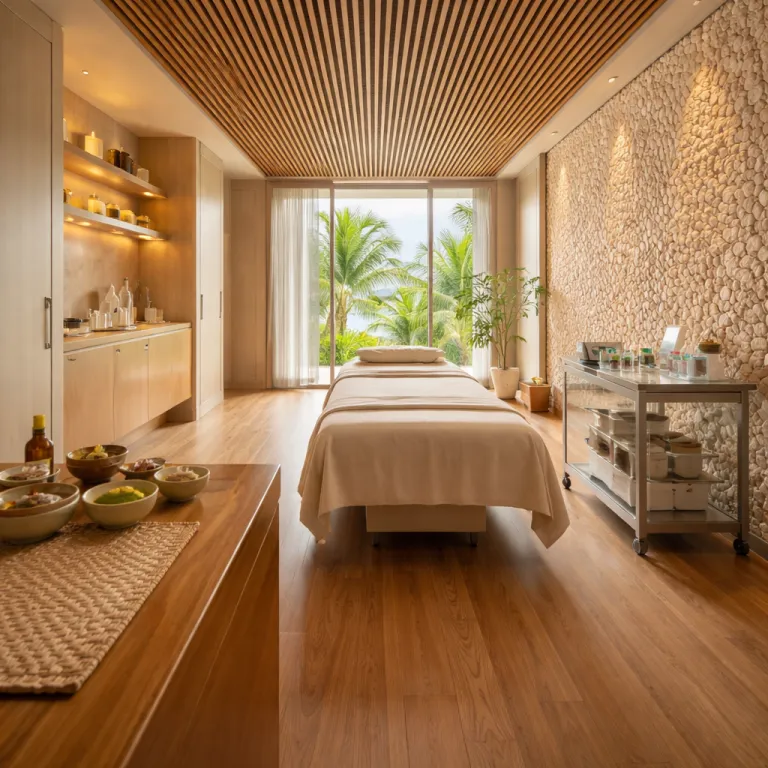
The shift from scented oils to science in Phuket Thailand
Phuket Thailand built its early wellness reputation on simple pleasures and skilled hands. A traditional Thai massage after a hot day on the beach still feels essential, while herbal compresses and steam rooms remain the quiet backbone of many wellness resorts. Yet the guests now arriving from Singapore, Dubai, and Chiang Mai are asking for more than a scented oil and a sea view.
They want a science wellness retreat in Phuket that can measure, track, and meaningfully improve their health span over a carefully planned week. This new generation of wellness retreats blends morning yoga on the sand with blood panels, sleep tracking, and structured nutrition consultations that treat the body as both temple and data set. The best wellness properties understand that the body mind connection is not a slogan but a design principle, shaping everything from room lighting to the timing of yoga meditation sessions.
The old model still has deep value, especially when it leans into traditional medicine and local therapies rather than spa clichés. A Thai herbal steam after a long flight can restore balance in ways no wearable can quantify, and a slow oil massage by a therapist who grew up with these techniques often unlocks a different kind of healing. The question for luxury travelers is no longer spa or science, but how to book a resort that orchestrates both with intelligence and restraint.
Across the island, wellness retreats are rethinking their menus, moving beyond generic treatments toward targeted therapies that address stress, burnout, and metabolic health. You will still find a classic yoga retreat format, but it now sits beside structured ayurveda wellness programs and guided meditation protocols that reference circadian rhythms and nervous system regulation. For executives extending a business trip, this hybrid approach turns a three day stay into a compact wellness retreat that feels purposeful rather than ornamental.
Properties from Nai Harn to Layan beach are also reframing the role of food in wellness retreats. Nutrition is no longer a side note to the spa brochure, but a central pillar where mangosteen, turmeric, and local greens are used as functional ingredients rather than garnish. When a wellness resort talks about helping you restore balance, it increasingly means aligning your plate, your sleep, and your movement with evidence based principles, not just serving a green juice after morning yoga.
For travelers comparing retreats Phuket wide, the language can be confusing, with terms like ayurveda, detox, and longevity used interchangeably. A credible science wellness retreat in Phuket will be transparent about its methods, its medical partnerships, and the limits of what a seven day program can achieve. Before you book, ask whether therapies are overseen by qualified professionals, how data is handled, and whether any medical style treatments blur into tourism rather than genuine care.
Local experts describe this evolution clearly when asked what defines these new programs. As one provider explains without embellishment, “What is a science-based wellness retreat? A retreat combining scientific methods with wellness practices.” That simple definition is shaping how Phuket Thailand positions itself against other Asian hubs, from Chiang Mai’s forest monasteries to the medical towers of Bangkok.
For couples considering a wellness focused escape, this shift dovetails with a broader move toward meaningful luxury by the sea. A stay that pairs a science led wellness retreat with a romantic coastal hideaway can be planned using curated guides such as this overview of Phuket honeymoon places for a perfect romantic escape by the sea. The same coastline that hosts data driven wellness resorts also offers quiet coves where the only therapy is a sunset swim and the soft thrum of longtail boats.
Inside Phuket’s new science led wellness retreats
The most interesting science wellness retreat in Phuket does not feel like a clinic in disguise. Instead, it feels like a thoughtfully run wellness resort where diagnostics and therapies are woven discreetly into a stay that still celebrates the beach, the jungle, and Thai hospitality. Layan Life by Anantara is a clear example, positioning itself as a place where advanced medical technology sits comfortably beside traditional healing and slow yoga.
At Layan Life, a guest might start the day with morning yoga on a hilltop deck, then move into a consultation that reviews blood markers, sleep data, and lifestyle patterns. A typical entry-level assessment, according to the resort’s published program outlines, might include a fasting blood test, body composition scan, and basic cardiovascular check. The aim is not to medicalise every retreat, but to design a personalised program where nutrition, movement, and stress management are calibrated to the individual body. This is where the phrase science wellness retreat in Phuket becomes meaningful rather than marketing, because the protocols are grounded in measurable outcomes rather than vague promises.
Amatara Wellness Resort, often referenced through its Amatara Welleisure concept, takes a slightly different path. Here, wellness retreats combine clean eating, herbal supplements, and holistic therapies with structured assessments that might include body composition analysis or cardiovascular screening. The resort still feels like a coastal sanctuary, with a sweeping view of Phang Nga Bay, but the wellness retreat programs are closer to lifestyle medicine than a simple spa week.
For travelers comparing retreats Phuket wide, the choice often comes down to how much science they want in their stay. Some wellness resorts lean heavily into traditional medicine, offering ayurveda wellness journeys, mangosteen based treatments, and yoga meditation in open air salas that overlook the sea. Others, such as AYURAH Wellness at Aleenta Phuket or the wellness center at InterContinental Phuket Resort, specialise in anti aging and regenerative style therapies, positioning themselves at the sharper end of medical wellness tourism.
Executives on a tight schedule often opt for shorter wellness retreats that compress diagnostics and therapies into a long weekend. A typical three day program might include a yoga retreat style schedule in the mornings, targeted treatments in the afternoon, and guided meditation or breathwork at night. Publicly available rate cards from comparable properties suggest that intensive three night programs can start around the mid four figure range in US dollars, rising with the depth of testing and medical oversight. The price for these intensive stays can be significantly higher than a classic spa package, but for guests who value data driven insights, the perceived return on investment feels justified.
Not every science wellness retreat in Phuket is anchored inside a large resort, and that diversity matters for discerning travelers. Chivitr Wellness Retreat and Araya Retreat, for example, offer more intimate environments where integrative medicine, yoga retreats, and tailored nutrition plans are delivered in a quieter, residential setting. Phuket Cleanse, by contrast, leans into fitness, detox, and community, attracting guests who want their wellness retreat to feel energetic rather than hushed.
When you book one of these wellness retreats, pay close attention to the credentials behind the therapies on offer. A credible wellness resort will clearly separate spa style treatments from medical grade interventions, and will explain when a therapy is rooted in traditional medicine versus modern clinical evidence. For a deeper context on how these trends are reshaping high end stays, it is worth reading a broader analysis of wellness travel trends in luxury and premium hotel booking websites in the Phuket region.
Phuket’s position as a medical tourism hub, supported by private hospitals such as Bangkok Hospital Phuket and Siriroj Hospital (formerly Phuket International Hospital), underpins this evolution. Guests who begin their journey with a science wellness retreat in Phuket can, if needed, extend their care into more formal medical settings without leaving the island. That proximity is one reason wellness resorts here are comfortable integrating more advanced diagnostics into their retreat offerings.
How to choose the right wellness resort for your stay
Choosing the right science wellness retreat in Phuket starts with clarifying your intent. Are you seeking a gentle reset with yoga meditation and beach walks, or a structured program that interrogates your blood work and sleep patterns? The answer will determine whether you lean toward a softly spoken yoga retreat or a wellness resort with a full integrative medicine team on site.
Begin with the program design rather than the infinity pool, because the daily rhythm shapes your experience more than the room category. A well balanced wellness retreat will alternate movement, rest, and reflection, perhaps starting each day with morning yoga, followed by targeted treatments and unstructured time by the beach. Look for schedules that respect the body mind connection, avoiding back to back therapies that leave you more exhausted than restored.
Nutrition is the second pillar to scrutinise when comparing wellness retreats in Phuket Thailand. The most thoughtful wellness resorts treat food as a central therapy, using local ingredients such as mangosteen, lemongrass, and fresh seafood to support metabolic health. When a property references mangosteen ayurveda or ayurveda wellness on its menu, ask how these concepts translate into specific dishes, not just decorative words on a page.
Price is where the new science led model diverges sharply from traditional spa stays, and travelers should approach it with clear eyes. A week long science wellness retreat in Phuket that includes diagnostics, personalised therapies, and medical oversight can cost five to ten times more than a conventional spa package. That premium reflects not only the technology and staff, but also the time spent tailoring each retreat to the individual body and lifestyle.
For some guests, especially business travelers extending a work trip, a shorter three day program at a wellness resort offers a pragmatic compromise. These compressed wellness retreats often focus on stress reduction, sleep quality, and basic nutrition, using yoga retreats style classes and targeted therapies to restore balance quickly. When you book, ask whether follow up support is available once you leave Phuket Thailand, as ongoing guidance can significantly extend the benefits.
Location still matters, particularly if the beach is part of your healing equation. Some wellness resorts sit directly on the sand, offering yoga meditation at sunrise and quiet swims between treatments, while others perch in the hills with sweeping views of Phang Nga and the Andaman Sea. If you are torn between a forested hideaway and a coastal wellness retreat, consider how you personally restore balance — through salt water, green canopy, or a mix of both.
For travelers who prioritise a holistic escape that still feels indulgent, curated overviews of Phuket luxury resort wellness retreats and holistic escapes for mind and body can be invaluable. These guides help you compare retreats Phuket wide without getting lost in marketing language, highlighting where yoga retreats are genuinely central and where they are a side activity. Use them alongside direct conversations with each resort, asking specific questions about therapies, medical oversight, and the balance between science and traditional medicine.
Finally, consider how a property integrates the wider life of Phuket into its wellness retreats. A thoughtful science wellness retreat in Phuket might include guided walks through local markets to understand Thai nutrition, or quiet visits to nearby temples that deepen the meditation practice. When wellness resorts respect the island’s culture rather than sealing guests off from it, the retreat becomes less about a week of treatments and more about a recalibrated way of living.
When wellness becomes medicine: value, risk, and responsibility
The line between a wellness retreat and medical tourism is thinner in Phuket than in many destinations. As wellness resorts integrate diagnostics, IV therapies, and regenerative medicine into their offerings, the question is no longer whether the stethoscope belongs next to the singing bowl. The real question is how responsibly each science wellness retreat in Phuket manages that proximity to clinical care.
From an industry perspective, the growth of medical wellness tourism is both opportunity and obligation. With global demand for science based wellness retreats rising, properties in Phuket Thailand and nearby Phang Nga are racing to position themselves as the best wellness destinations in the region. That arms race is visible in the language of brochures, where terms like ayurveda wellness, traditional medicine, and cutting edge therapies often sit side by side without clear explanation.
For travelers, the key is to interrogate the substance behind the promise before they book. Ask who designs the treatments, who interprets the data, and what happens if a test reveals something that requires follow up beyond the retreat. A credible wellness resort will have clear referral pathways to hospitals such as Bangkok Hospital Phuket, and will never oversell what a seven day program can achieve for long term healing.
Value is another dimension that demands a clear eyed view, especially when prices climb into five figure territory. A science wellness retreat in Phuket that includes comprehensive diagnostics, personalised nutrition, and daily therapies can be worth the investment for guests who will act on the insights once they return to daily life. For others, a simpler yoga retreat with strong meditation teaching, thoughtful food, and time by the beach may deliver more lasting change at a fraction of the price.
There is also a cultural responsibility when blending Thai healing traditions with imported medical frameworks. The most grounded wellness retreats honour local knowledge, integrating Thai massage, herbal treatments, and temple based meditation with respect rather than as exotic garnish. When a wellness resort uses concepts such as mangosteen ayurveda or yoga meditation in its marketing, it should be prepared to explain how these ideas are practised, not just named.
For executives and frequent flyers, the most powerful retreats Phuket offers are often those that translate insights into daily routines. A program that teaches you how to structure morning yoga, manage nutrition on the road, and maintain a realistic body mind practice will outlast any single week of therapies. In that sense, the best wellness retreats function less as escapes and more as training grounds for a different way of living.
As science and spirituality continue to share the same treatment menu, Phuket’s hospitality sector will be judged on how well it balances ambition with integrity. Wellness resorts that are transparent about their methods, honest about their limits, and respectful of Thai culture will earn the trust of a discerning global audience. Those that treat wellness as a high margin add on rather than a serious discipline will quickly feel out of step with travelers who now read lab reports as carefully as they read wine lists.
For now, the island offers a rare spectrum, from softly lit yoga retreats to clinically informed wellness resorts that would not feel out of place in a capital city. The task for travelers is to choose a science wellness retreat in Phuket that aligns with their values, their health needs, and their appetite for data versus incense. When that alignment is right, the retreat becomes more than a week away, it becomes a quiet recalibration of how you move through the rest of your life.
Key figures shaping science led wellness retreats in Phuket
- Phuket hosts a growing cluster of dedicated wellness retreats and medical wellness resorts, according to program listings from the Tourism Authority of Thailand and regional hotel associations, creating a denser concentration of options than many other Thai islands.
- Many structured wellness retreat programs in the region are designed around a 5 to 10 day stay, based on schedules published by leading providers, which aligns with the minimum time commonly recommended to implement and observe meaningful lifestyle changes.
- Industry reports from organisations such as the Global Wellness Institute and the Tourism Authority of Thailand consistently describe Phuket as an international hub for wellness and medical travel, with a significant share of guests arriving from overseas rather than purely domestic markets.
- Global analyses from sources including the Global Wellness Institute and Allied Market Research indicate that wellness tourism and medically oriented wellness are expanding at a robust pace worldwide, positioning Phuket Thailand and nearby Phang Nga to capture a growing segment of high value travelers seeking data driven care.
- Local providers and published resort case studies show that wellness retreats increasingly integrate technology such as sleep tracking, body composition analysis, and other diagnostics, reflecting a broader shift from spa style pampering toward measurable health outcomes and evidence informed protocols.